Animal Feed Industry
Advanced enzyme and probiotic solutions designed to support efficient nutrition, digestion, and animal health.
Overview
Animal Feed Industry
Animal feed enzymes and probiotics are specialized biological solutions used to improve feed utilization, nutrient availability, digestive performance, and gut microbial balance. Feed enzymes target components such as phytate, starch, protein, and non-starch polysaccharides (NSPs), while probiotics support beneficial microbial activity in the gastrointestinal tract.
Our solutions are designed for poultry, livestock, veterinary, and aquaculture applications, including single enzymes, multi-enzyme blends, probiotics, prebiotic combinations, and application-specific microbial products. Selection can be optimized according to feed composition, animal species, production stage, and processing conditions.
Overview
Key Benefits of Animal Feed Industry
Optimize feed utilization, digestive performance, gut health, and overall nutritional efficiency.

Improved Nutrient Utilization
Supports efficient digestion and better availability of essential nutrients from feed.

Enhanced Digestive Performance
Helps improve the breakdown and utilization of proteins, carbohydrates, fats, and other feed components.
Better Feed Efficiency
Supports effective feed utilization and helps optimize nutritional value.

Gut Health Support
Helps maintain healthy intestinal function and a balanced gut environment.

Balanced Microbial Activity
Probiotics support beneficial microbial activity and help maintain intestinal microbial balance.

Consistent Feed Performance
Supports reliable nutritional performance across different feed formulations and production stages.
Overview
Enzyme Solutions
Targeted enzymes designed to improve nutrient breakdown, digestibility, and feed utilization.
Overview
Phytase
Phytase breaks down phytate, a naturally occurring compound in plant-based feed ingredients, and helps release bound phosphorus and other nutrients. It supports improved phosphorus utilization and can help reduce phosphorus excretion.
Key Benefits :
- Improved Phosphorus Availability
- Reduced Phytate Effects
- Better Mineral Utilization
- Nutrient Release Support
- Improved Feed Efficiency
- Reduced Phosphorus Excretion
Overview
Xylanase
Xylanase breaks down xylan and other arabinoxylan components present in cereal-based feed ingredients. It can help reduce intestinal viscosity and improve the availability of nutrients from plant-based feed materials.
Key Benefits :
- Xylan Breakdown
- Better Feed Utilization
- Reduced Feed Viscosity
- Enhanced Digestive Performance
- Improved Nutrient Availability
- Cereal Feed Compatibility
Overview
Protease
Protease enzymes support the hydrolysis of dietary proteins into smaller peptides and amino acids, improving protein utilization and nutrient availability. Our protease solutions include Alkaline Protease, Acid Protease, and Neutral Protease, allowing selection according to feed formulation and required processing or digestive conditions.
Key Benefits :
- Improved Protein Digestibility
- Improved Feed Utilization
- Enhanced Protein Digestibility
- Reduced Undigested Protein
- Better Amino Acid Availability
- Formulation Flexibility
Overview
Amylase
Amylase supports the breakdown of starch into smaller carbohydrates and sugars, helping improve the utilization of cereal-based feed ingredients. It can support digestive efficiency where additional starch-hydrolyzing activity is required.
Key Benefits :
- Efficient Starch Breakdown
- Better Feed Digestibility
- Improved Carbohydrate Utilization
- Improved Feed Efficiency
- Enhanced Energy Availability
- Cereal Feed Compatibility
Overview
Beta-Glucanase
Beta-Glucanase breaks down beta-glucans present in cereals such as barley and oats. It helps reduce the viscosity associated with these soluble fibres and supports improved nutrient utilization.
Key Benefits :
- Beta-Glucan Breakdown
- Better Feed Digestibility
- Reduced Intestinal Viscosity
- Improved Feed Efficiency
- Improved Nutrient Absorption
- Cereal Feed Compatibility
Overview
Cellulase
Cellulase supports the breakdown of cellulose and selected plant-fibre components present in feed ingredients. It helps improve the accessibility of nutrients trapped within plant cell structures.
Key Benefits :
- Cellulose Breakdown
- Better Feed Digestibility
- Plant Fibre Modification
- Enhanced Digestive Support
- Improved Nutrient Release
- Multi-Enzyme Compatibility
Overview
Mannanase
Mannanase breaks down mannan and related non-starch polysaccharides found in plant-based feed ingredients. It supports improved nutrient availability and helps reduce the impact of certain fibre components on feed utilization.
Key Benefits :
- Mannan Breakdown
- Better Feed Digestibility
- Improved Nutrient Availability
- Improved Feed Efficiency
- Reduced Anti-Nutritional Effects
- Plant-Based Feed Compatibility
Overview
Alpha-Galactosidase
Alpha-Galactosidase helps break down galactooligosaccharides such as raffinose and stachyose found in soybean meal and other plant-based feed ingredients. It supports improved carbohydrate utilization and digestive performance.
Key Benefits :
- Oligosaccharide Breakdown
- Better Feed Digestibility
- Improved Carbohydrate Utilization
- Improved Nutrient Availability
- Reduced Anti-Nutritional Effects
- Plant-Based Feed Compatibility
Overview
Lipase
Lipase supports the hydrolysis of dietary fats into fatty acids and glycerol, helping improve fat digestion and energy utilization. It can be particularly useful in feed formulations requiring additional fat-hydrolyzing activity.
Key Benefits :
- Efficient Fat Hydrolysis
- Better Nutrient Absorption
- Improved Fat Digestibility
- Improved Feed Efficiency
- Enhanced Energy Utilization
- Formulation Flexibility
Overview
Pectinase
Pectinase breaks down pectin and related plant-cell-wall components present in various feed ingredients. It can support improved nutrient release and utilization of plant-based raw materials.
Key Benefits :
- Pectin Breakdown
- Better Nutrient Absorption
- Improved Plant-Material Utilization
- Improved Feed Efficiency
- Enhanced Nutrient Release
- Multi-Enzyme Compatibility
Overview
Multi-Enzyme Blend
Multi-Enzyme Blends combine complementary enzymatic activities such as phytase, xylanase, protease, amylase, beta-glucanase, cellulase, mannanase, lipase, and other selected enzymes. They are designed to address multiple feed components within a single formulation.
Key Benefits :
- Multiple Enzyme Activities
- Improved Nutrient Utilization
- Broad Substrate Coverage
- Better Feed Efficiency
- Enhanced Feed Digestibility
- Formulation Flexibility
Overview
Bacillus
(Bacillus subtilis, Bacillus megaterium, Bacillus licheniformis, Bacillus coagulans, Bacillus amyloliquefaciens)
Bacillus-based probiotics are spore-forming microbial solutions designed to support gut microbial balance, digestive performance, and efficient feed utilization in poultry. Their robust nature makes them suitable for integration into different feed and poultry production systems.
Our Bacillus portfolio includes Bacillus subtilis, Bacillus megaterium, Bacillus licheniformis, Bacillus coagulans, and Bacillus amyloliquefaciens, offering flexibility for different formulation and production requirements
Key Benefits :
- Improved Gut Health
- Microbial Balance
- Enhanced Digestive Support
- Nutrient Availability
- Better Feed Utilization
- Consistent Performance
Overview
Lactobacillus
(Lactobacillus acidophilus, Lactobacillus plantarum, Lactobacillus casei, Lactobacillus rhamnosus)
Lactobacillus probiotics are beneficial bacterial cultures used to support intestinal microbial balance and digestive health in poultry. They help maintain a favourable microbial environment and support efficient utilization of nutrients.
Our Lactobacillus solutions include Lactobacillus acidophilus, Lactobacillus plantarum, Lactobacillus casei, and Lactobacillus rhamnosus, providing strain-specific options for poultry feed formulations.
Key Benefits :
- Gut Microbial Balance
- Feed Efficiency
- Digestive Health Support
- Beneficial Microbial Activity
- Nutrient Utilization
- Consistent Performance
Overview
Enterococcus
(Enterococcus faecium, Enterococcus faecalis)
Enterococcus-based probiotics are microbial solutions designed to support intestinal microbial balance and digestive performance in poultry. They can be incorporated into feed formulations where targeted probiotic activity is required.
Our portfolio includes Enterococcus faecium and Enterococcus faecalis, providing options for different poultry nutrition and formulation requirements.
Key Benefits :
- Intestinal Health
- Feed Utilization
- Microbial Balance
- Nutrient Availability
- Digestive Support
- Stable Performance
Overview
Saccharomyces
(Saccharomyces cerevisiae, Saccharomyces boulardii)
Saccharomyces-based probiotics are beneficial yeast solutions used to support digestive function, feed utilization, and microbial balance in poultry. They provide a yeast-based approach to complement bacterial probiotic programs.
Our yeast probiotic range includes Saccharomyces cerevisiae and Saccharomyces boulardii, supporting flexible formulation options for different poultry feed applications.
Key Benefits :
- Digestive Support
- Microbial Balance
- Gut Health
- Nutrient Availability
- Feed Utilization
- Feed Efficiency
Overview
Clostridium butyricum
Clostridium butyricum is a butyrate-producing probiotic used to support intestinal health, microbial balance, and digestive performance in poultry. Its metabolic activity can complement broader probiotic programs focused on maintaining a healthy intestinal environment.
It can be considered for poultry feed formulations where support for gut function and beneficial microbial activity is required. Product selection and application should be based on strain characteristics, formulation requirements, and regulatory considerations.
Key Benefits :
- Gut Health Support
- Butyrate Production
- Microbial Balance
- Nutrient Utilization
- Digestive Performance
- Feed Efficiency
Overview
Ammonia Removal Product
Ammonia removal products are microbial solutions designed to support ammonia management in poultry housing environments. They can help support microbial processes associated with organic matter and nitrogen management in litter and manure systems.
These solutions are intended to complement good poultry house management practices, including proper ventilation, litter management, moisture control, and sanitation.
Key Benefits :
- Ammonia Management
- Microbial Activity
- Odour Control
- Environmental Support
- Litter Management
- Easy Application
Overview
Probiotic + Prebiotic Blends
Probiotic and prebiotic blends combine beneficial microorganisms with selected substrates that can support probiotic activity and the intestinal microbial environment. This combination provides a broader approach to maintaining microbial balance and digestive performance.
These formulations can be developed according to poultry species, feed composition, production stage, and targeted application requirements, providing flexibility for different feed programs.
Key Benefits :
- Gut Health Support
- Probiotic Activity
- Microbial Balance
- Nutrient Utilization
- Digestive Support
- Feed Efficiency
Overview
Multi-Strain Probiotics
Multi-strain probiotics combine selected beneficial microorganisms to provide broader microbial activity than a single-strain formulation. Different strains can provide complementary characteristics, allowing formulations to be designed around specific poultry feed requirements.
Our multi-strain solutions can incorporate selected bacterial and yeast cultures according to the intended application, formulation stability, and production requirements.
Key Benefits :
- Broad Microbial Activity
- Digestive Performance
- Gut Health Support
- Nutrient Utilization
- Microbial Balance
- Feed Efficiency
Overview
Multi-Blend Enzymes
Multi-Blend Enzymes for veterinary applications combine complementary enzyme activities to support digestion and nutrient utilization in animal nutrition. They can help break down proteins, starches, fibres, fats, and other feed components.
These blends can be formulated according to animal species, feed ingredients, and nutritional requirements, providing broader substrate coverage than individual enzyme solutions.
Key Benefits :
- Improved Nutrient Digestibility
- Better Digestive Support
- Enhanced Feed Utilization
- Improved Feed Efficiency
- Multi-Substrate Breakdown
- Formulation Flexibility
Overview
Multi-Blend Probiotics
Multi-Blend Probiotics combine selected beneficial microorganisms to support gut microbial balance and digestive health across veterinary and animal nutrition applications. Multi-strain formulations provide complementary microbial activity.
They can be developed according to animal species, production conditions, feed formulation, and specific nutritional requirements.
Key Benefits :
- Improved Gut Microbial Balance
- Multi-Strain Microbial Activity
- Digestive Health Support
- Feed Efficiency Support
- Nutrient Utilization Support
- Application Flexibility
Overview
Soil Probiotic
Soil probiotics are microbial formulations designed to support the biological condition of pond or aquaculture soil. They help promote beneficial microbial activity and support decomposition of organic matter accumulated in pond sediments.
Key Benefits :
- Organic Matter Decomposition
- Sludge Management Support
- Improved Pond Soil Condition
- Reduced Organic Accumulation
- Beneficial Microbial Activity
- Better Pond Environment
Overview
Water Probiotic
Water probiotics contain beneficial microorganisms designed to support microbial balance and biological water treatment in aquaculture systems. They help manage biodegradable organic matter and support improved water quality.
Key Benefits :
- Organic Matter Breakdown
- Reduced Organic Load
- Improved Water Quality
- Stable Aquaculture Environment
- Microbial Balance
- Water Treatment Support
Overview
Ammonia Probiotic
Ammonia probiotics are microbial formulations designed to support the biological conversion and management of ammonia in aquaculture water. They help support microbial processes involved in maintaining suitable water conditions.
Key Benefits :
- Ammonia Management Support
- Reduced Organic Load Support
- Improved Water Quality
- Better Aquaculture Conditions
- Beneficial Microbial Activity
- Process Stability
Overview
Nitrite Probiotic
Nitrite probiotics support biological microbial processes involved in nitrite management within aquaculture systems. They help maintain microbial balance and support stable water-quality conditions.
Key Benefits :
- Nitrite Management Support
- Biological Treatment Support
- Improved Water Quality
- Microbial Balance
- Beneficial Microbial Activity
- Stable Pond Conditions
Overview
Vibrio Controlling Probiotic
Vibrio-control probiotic formulations contain selected beneficial microorganisms intended to support microbial balance and competitive exclusion within aquaculture environments. They are used as part of broader pond and farm management practices.
Key Benefits :
- Microbial Balance Support
- Improved Water Environment
- Vibrio Management Support
- Gut Health Support
- Beneficial Microbial Activity
- Aquaculture Process Stability
Overview
Feed & Gut Probiotic
Feed and gut probiotics are microbial formulations designed to support digestive function and beneficial intestinal microbial populations in fish and shrimp. They can be incorporated into feed or used according to specific aquaculture application requirements.
Key Benefits :
- Gut Microbial Balance
- Feed Efficiency Support
- Digestive Support
- Beneficial Microbial Activity
- Nutrient Utilization
- Growth Performance Support
Overview
White Fecal Product
White-fecal management products are specialized aquaculture microbial formulations designed to support gut and pond microbial balance where white-fecal conditions are observed. They should be used alongside appropriate water-quality, feeding, stocking, and farm-management practices.
Key Benefits :
- Gut Microbial Balance
- Water Quality Support
- Digestive Support
- Feed Utilization Support
- Organic Matter Management
- Aquaculture Management Support
Overview
Growth Promoter
Aquaculture growth-promoting formulations are designed to support digestive efficiency, nutrient utilization, gut health, and overall production performance. They may combine selected probiotics, enzymes, prebiotics, or other nutritional-support components.
Key Benefits :
- Improved Nutrient Utilization
- Gut Microbial Balance
- Digestive Health Support
- Growth Performance Support
- Feed Efficiency
- Production Consistency
Overview
Enzymes for Feed Industry

Aquaculture feed enzymes help break down complex feed components such as proteins, starches, fibres, and phytate to improve nutrient availability. They support more efficient digestion and utilization of formulated feed ingredients.
Key Benefits :
- Improved Protein Digestibility
- Improved Phosphorus Availability
- Enhanced Starch Utilization
- Enhanced Nutrient Utilization
- Better Fibre Breakdown
- Feed Efficiency Support
What consumers need and want
Applications of Animal Feed Industry
Application-focused solutions for poultry, livestock, veterinary nutrition, and aquaculture systems.
Poultry Feed
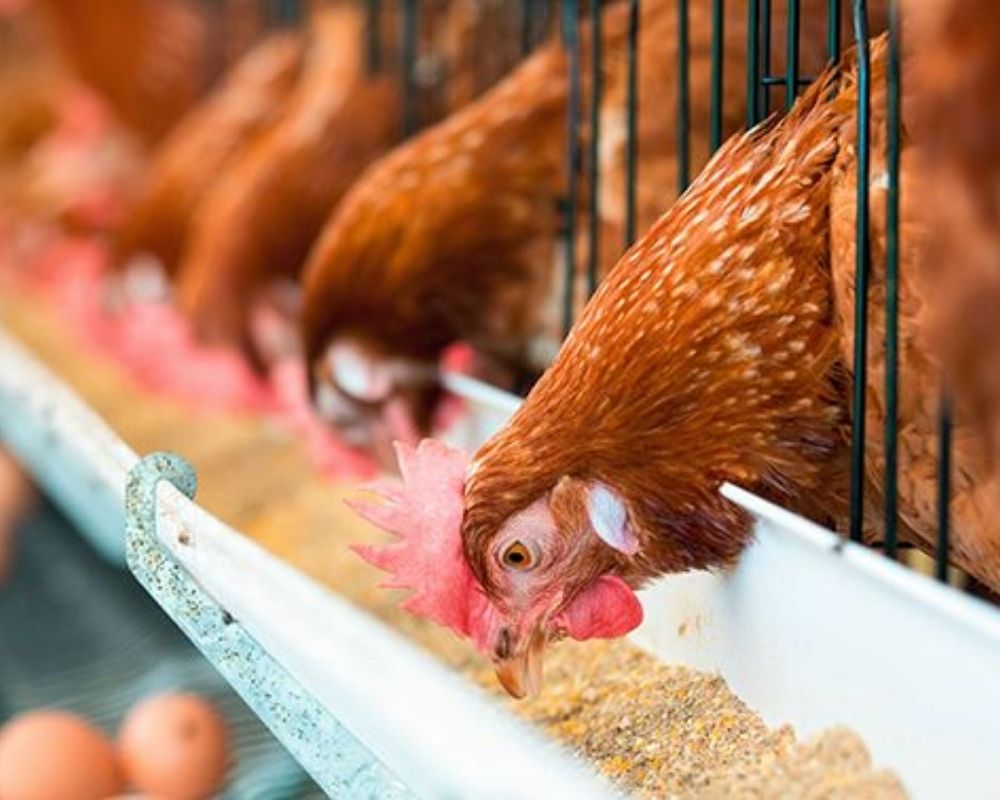
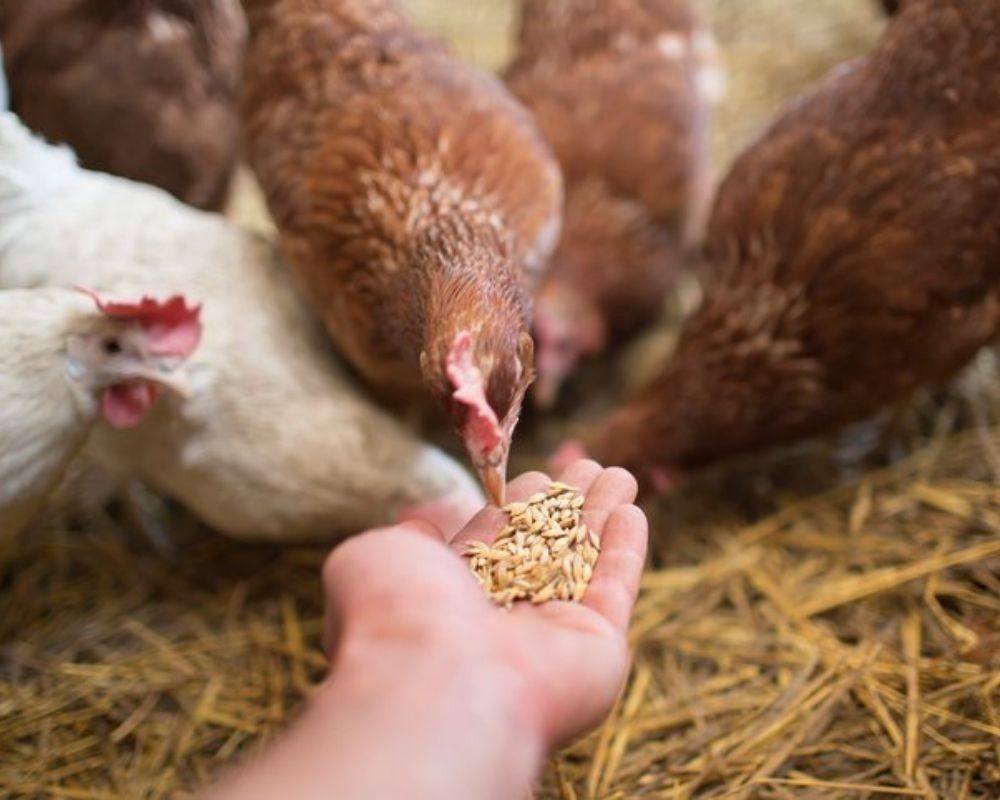
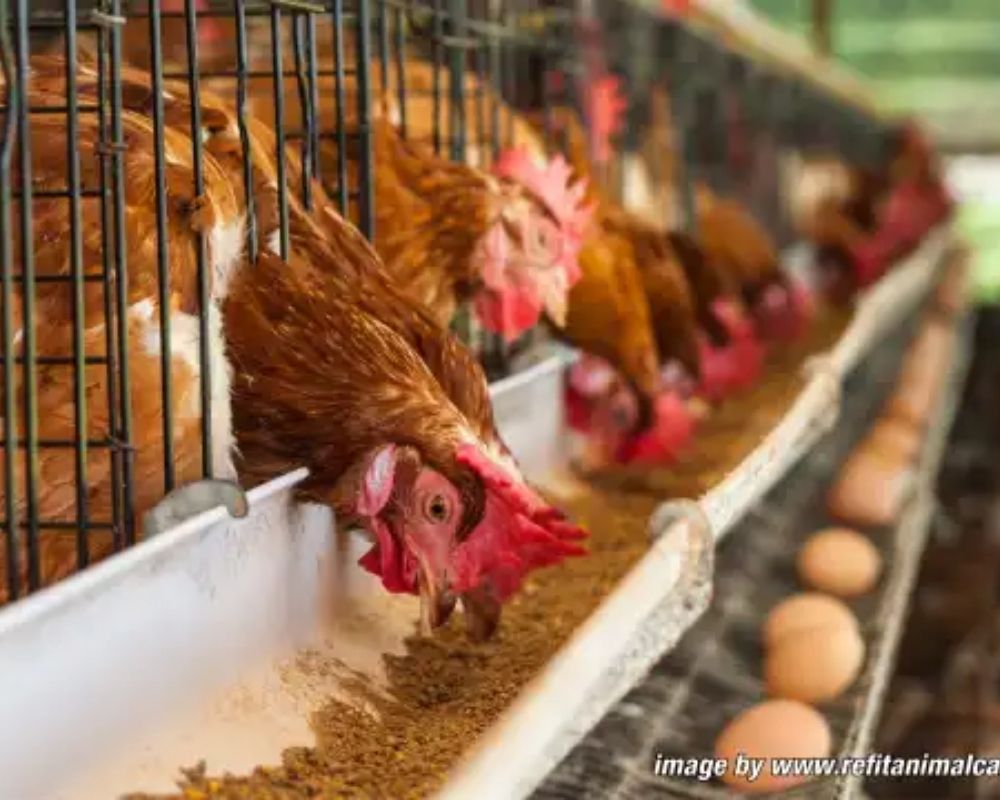
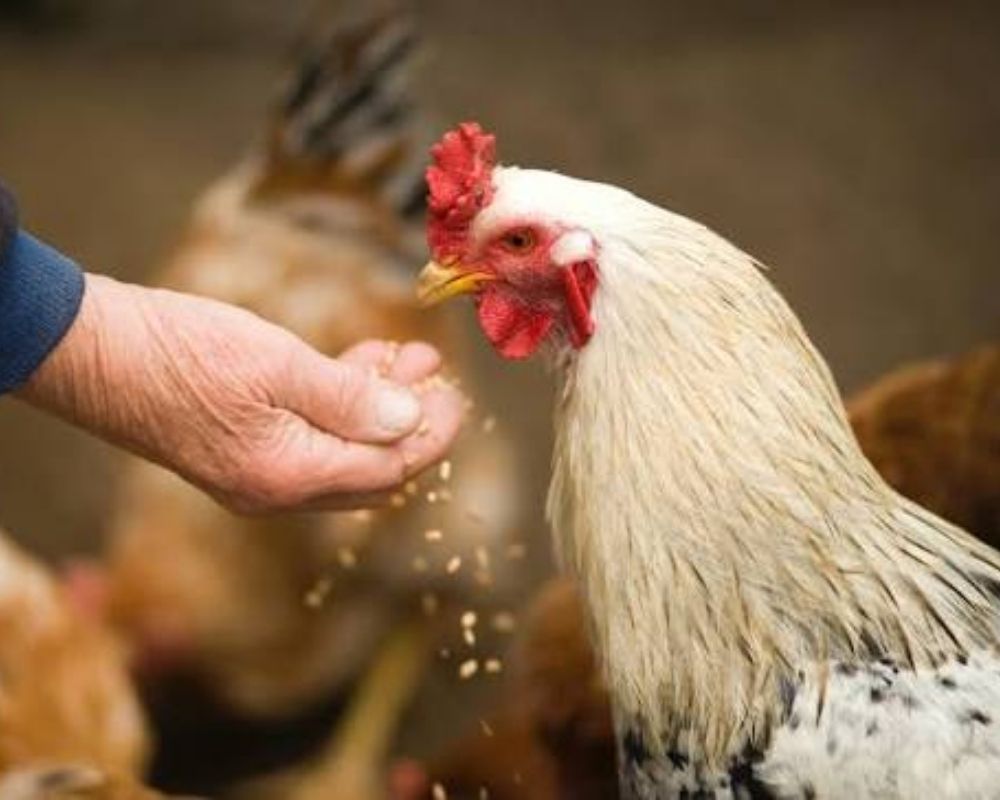
Supports digestion, nutrient utilization, feed efficiency, and intestinal microbial balance in broilers, layers, and breeders.
- Improved Nutrient Utilization
- Better Feed Efficiency
- Gut Health Support
Livestock & Veterinary Feed
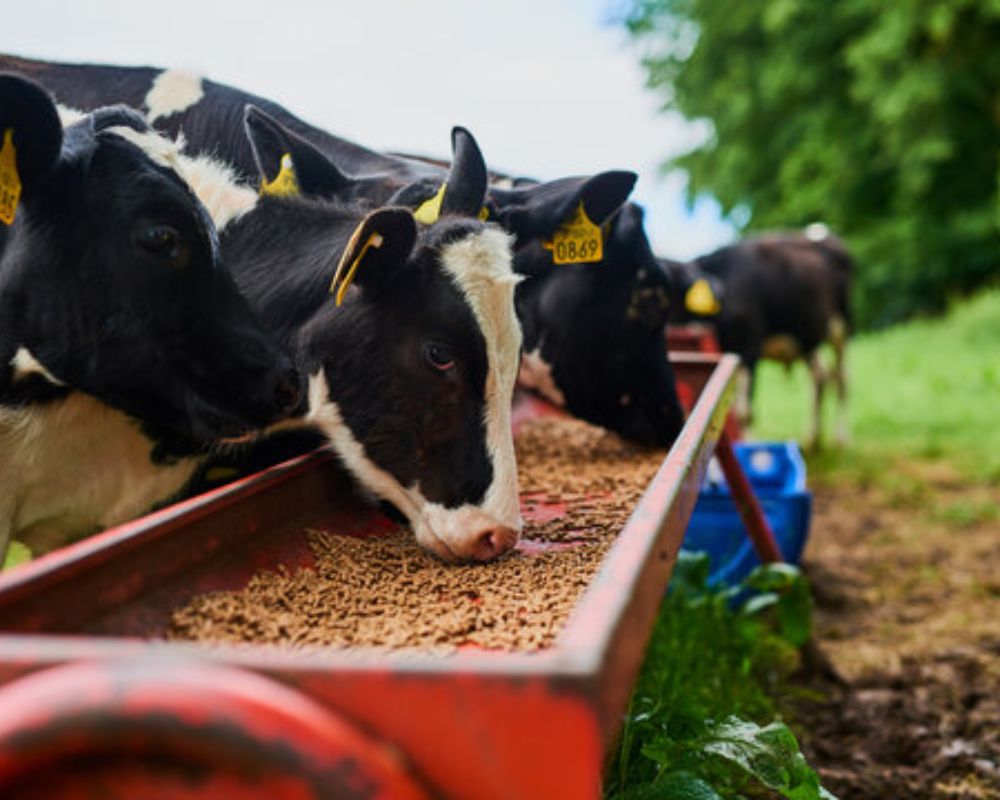
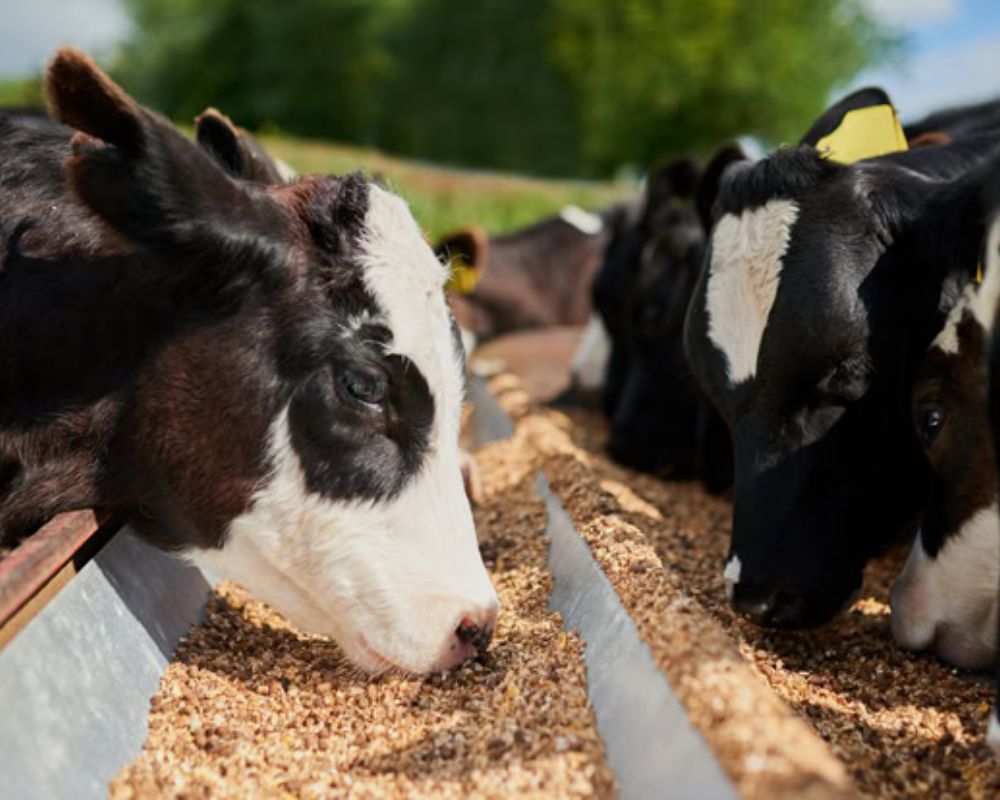
Designed for cattle, swine, and other livestock applications to support digestion, nutrient availability, and microbial balance.
- Enhanced Digestive Performance
- Improved Feed Utilization
- Microbial Balance
Aquaculture Feed
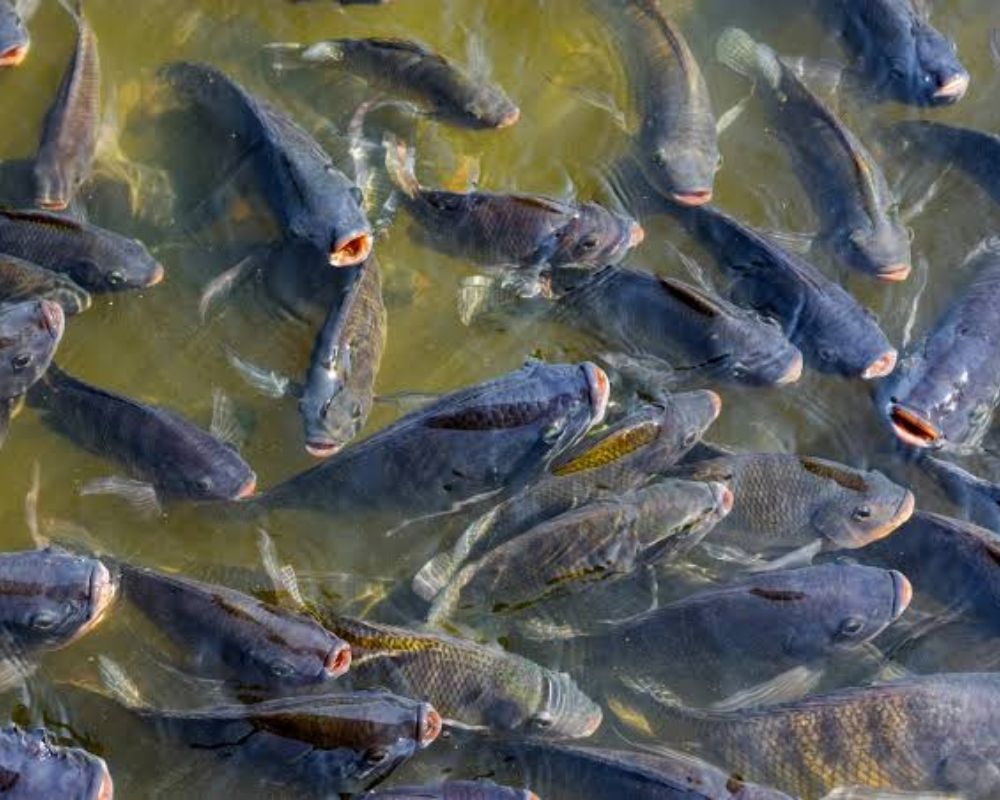
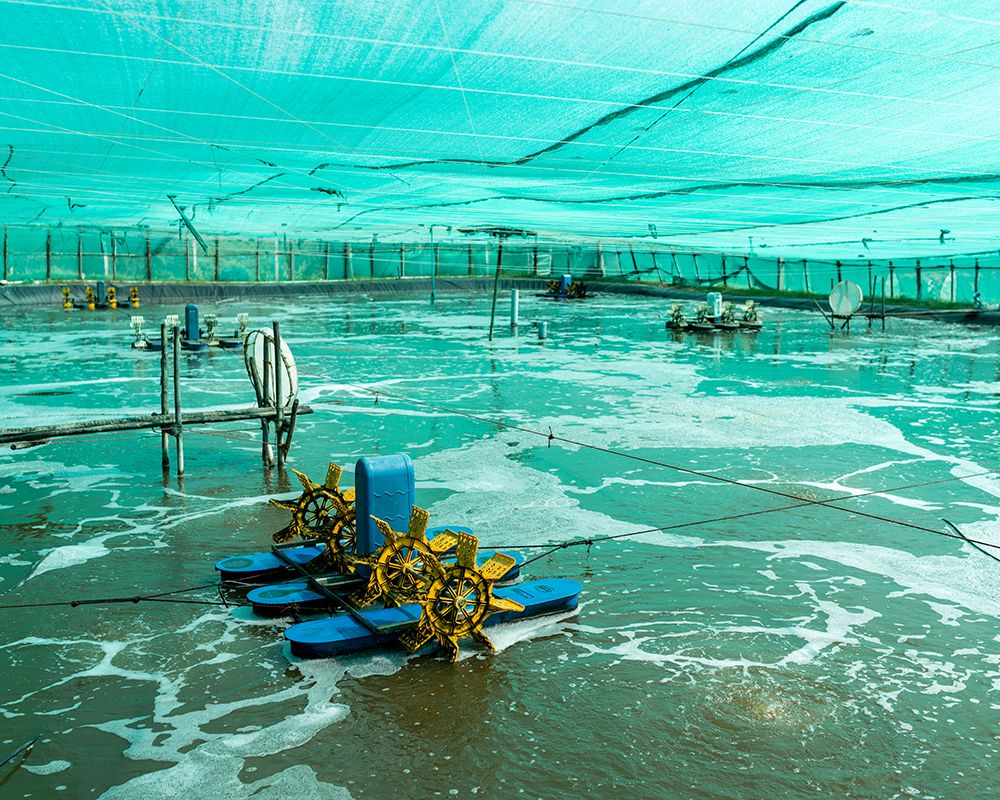
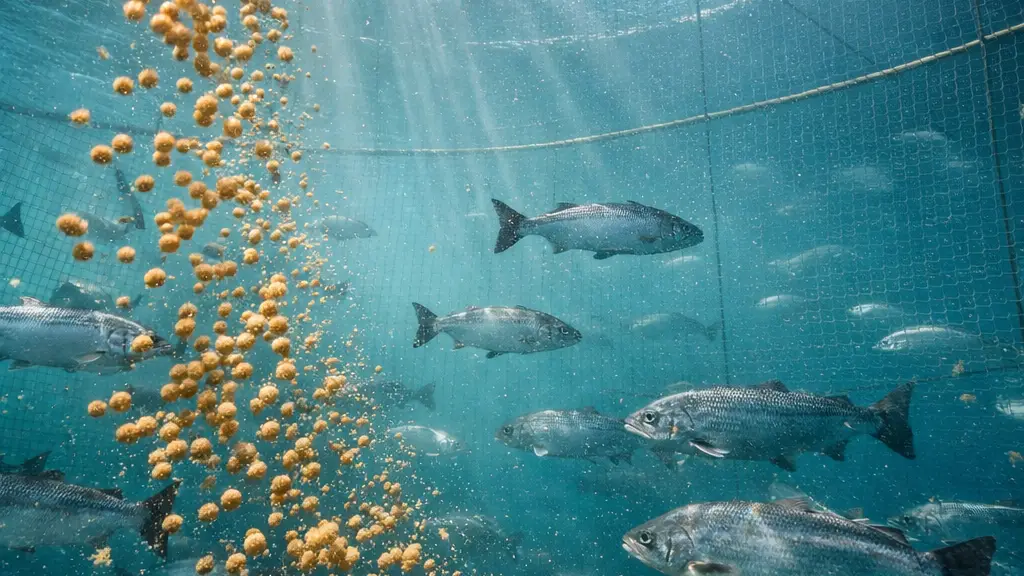
Supports feed digestion, nutrient utilization, gut health, and microbial management in fish and shrimp production systems.
- Improved Feed Digestibility
- Gut Health Support
- Better Nutrient Utilization
What consumers need and want
Technical Advantages
Reliable enzymatic and microbial performance engineered for diverse feed formulations and processing conditions.
| Parameter | Technical Advantage |
|---|---|
| High Enzymatic Activity | Provides effective enzymatic action against targeted feed components under suitable processing and digestive conditions. |
| Efficient Nutrient Breakdown | Supports the breakdown of proteins, starches, fats, phytate, and complex carbohydrates for improved nutrient availability. |
| Anti-Nutritional Factor Reduction | Helps reduce the effects of phytate and selected non-starch polysaccharides present in feed ingredients. |
| Improved Digestibility | Supports efficient digestion and release of nutrients from different feed ingredients. |
| Microbial Balance | Probiotic solutions support beneficial microbial activity and help maintain a balanced intestinal environment. |
| Feed Efficiency | Supports better utilization of dietary nutrients and efficient use of feed resources. |
| Formulation Flexibility | Suitable for different feed formulations, animal species, production stages, and nutritional requirements. |
| Consistent Performance | Supports reliable enzymatic and microbial activity when products are appropriately selected and applied. |
What consumers need and want
Why choose Shriji Exbiz?
Our Application Laboratory ensures every formulation delivers reliable, quantifiable results — providing detergent manufacturers with solutions that consistently meet high-performance standards.
Advanced Enzyme Solutions for Consistent Industrial Performance
Industry-Focused Expertise for Diverse Application Requirements
Customized Enzyme Formulations for Specific Process Needs
Consistent Quality with International Standards
Sustainable Solutions for Efficient Industrial Processes
Reliable Technical Support and Global Supply Capabilities
Shriji Exbiz Pvt. Ltd.
Animal Feed Industry Questions
1. What are animal feed enzymes?
Animal feed enzymes are biological catalysts added to feed to help break down specific components such as phytate, protein, starch, and non-starch polysaccharides, supporting nutrient availability and feed utilization.
2. What are the commonly used enzymes in animal feed?
Common feed enzymes include Phytase, Xylanase, Protease, Amylase, Beta-Glucanase, Cellulase, Mannanase, Alpha-Galactosidase, Lipase, Pectinase, and multi-enzyme blends.
3. What is the role of probiotics in animal feed?
Probiotics are beneficial microorganisms used to support intestinal microbial balance and digestive function. Their effectiveness depends on the selected strain, dose, animal species, feed matrix, and production conditions.
4. Can enzymes and probiotics be used together?
Yes. Enzymes and probiotics can be incorporated into feed programs for complementary purposes, with enzymes targeting specific feed substrates and probiotics supporting microbial balance. Compatibility, stability, processing temperature, and formulation should be evaluated before combining products.
5. How should feed enzymes be selected?
Enzyme selection should be based on the animal species, feed ingredients, target substrate, enzyme activity, processing conditions, and production stage. Matching enzyme specificity and activity to the diet is important for consistent results.
Explore further
Related industry solutions
Navigate adjacent application hubs with the same disciplined technical onboarding.