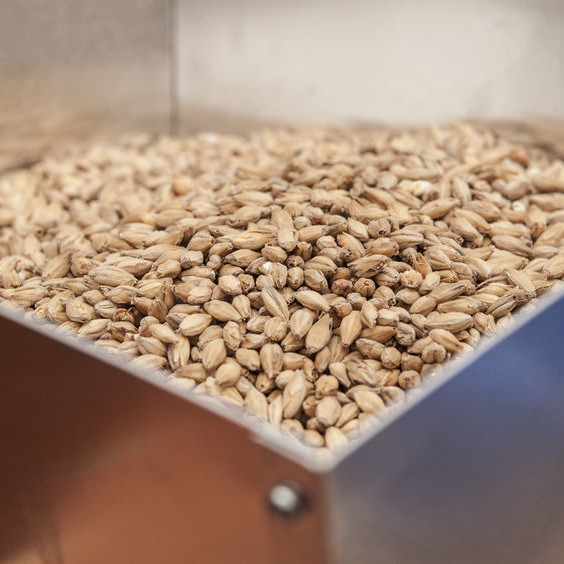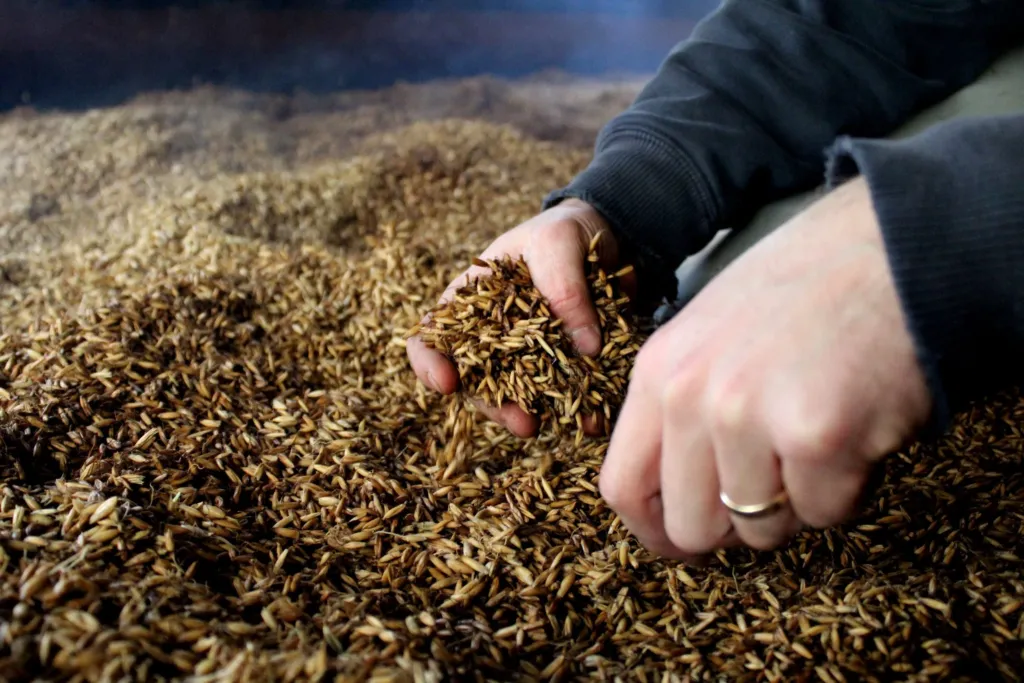
Malt Extraction Industry Enzymes
Advanced enzyme solutions designed to optimize malt extraction, starch conversion, and processing efficiency. Support improved extract recovery, viscosity management, and consistent product quality.
Overview
Malt Extraction Industry Enzymes
Malt extraction enzymes are specialized biocatalysts used to optimize starch conversion, protein modification, and beta-glucan breakdown during malt processing and wort preparation. They help improve extract recovery, manage viscosity, and support efficient separation and filtration.
Our enzyme solutions include Alpha-Amylase, Beta-Amylase, Beta-Glucanase, Protease, and customized Multi-Enzyme Blends. They can be selected according to malt quality, raw material composition, processing conditions, and desired extract characteristics.
Overview
Key Benefits of Malt Extraction Industry Enzymes
Discover the benefits of targeted enzyme technology for efficient malt processing, improved extraction, and reliable production performance.

Improved Starch Conversion
Supports efficient breakdown of starch into dextrins and fermentable sugars during mashing.

Enhanced Extract Recovery
Helps release soluble components from malt and cereal raw materials.

Better Viscosity Management
Supports beta-glucan breakdown to improve mash handling and filtration.

Controlled Protein Modification
Helps modify proteins and release soluble peptides and amino acids.

Improved Process Efficiency
Supports efficient mashing, extraction, and wort preparation.

Consistent Extract Quality
Helps maintain reliable processing performance and desirable extract characteristics.
Overview
Enzyme Solutions
Explore our range of Alpha-Amylase, Beta-Amylase, Beta-Glucanase, Protease, and Multi-Enzyme Blends for diverse malt extraction requirements.
Overview
Alpha-Amylase
Alpha-Amylase is an enzyme used in malt extraction and processing to break down starch into shorter-chain dextrins. It supports starch liquefaction and helps improve the availability of carbohydrates during mashing and wort preparation.
Our Alpha-Amylase solutions can be selected according to malt composition, processing temperature, and desired extract characteristics to support efficient starch conversion and consistent processing.
Key Benefits :
- Efficient Starch Breakdown
- Better Mash Performance
- Improved Extract Recovery
- Improved Process Efficiency
- Enhanced Starch Conversion
- Consistent Processing Results
Overview
Beta-Amylase
Beta-Amylase supports the conversion of starch and suitable dextrins into maltose, an important fermentable sugar in brewing and malt processing. Its activity helps influence wort fermentability and the carbohydrate profile of the extract.
It is suitable for malt processing applications where controlled sugar production and consistent extract characteristics are required.
Key Benefits :
- Enhanced Maltose Production
- Better Sugar Profile
- Improved Wort Fermentability
- Optimized Mashing Performance
- Efficient Starch Conversion
- Consistent Extract Quality
Overview
Beta-Glucanase
Beta-Glucanase breaks down beta-glucans present in barley and other cereal materials. These compounds can contribute to high mash viscosity and filtration challenges, so enzymatic degradation can support smoother processing.
Our Beta-Glucanase solutions are designed to help improve mash separation, wort filtration, and processing efficiency under suitable operating conditions.
Key Benefits :
- Beta-Glucan Breakdown
- Better Processability
- Reduced Mash Viscosity
- Consistent Processing Performance
- Improved Wort Filtration
- Enhanced Extract Separation
Overview
Protease
Protease breaks down proteins into smaller peptides and amino acids during malt extraction and mashing. Controlled protein modification can influence soluble nitrogen levels, wort composition, and the availability of nutrients required for yeast growth.
Protease solutions can be selected according to the raw material, mashing conditions, and desired protein profile to support consistent extract quality.
Key Benefits :
- Controlled Protein Breakdown
- Better Wort Composition
- Improved Soluble Nitrogen Availability
- Improved Process Efficiency
- Enhanced Protein Modification
- Consistent Extract Quality
Overview
Multi-Enzyme Blends
Multi-Enzyme Blends combine selected enzymes, such as amylases, beta-glucanase, and protease, to target different components of malt and cereal raw materials. They support coordinated starch conversion, protein modification, and beta-glucan breakdown during extraction.
These blends can be customized according to raw material characteristics, process conditions, and desired extract specifications to support efficient processing and consistent results.
Key Benefits :
- Improved Starch Conversion
- Better Viscosity Management
- Multi-Enzyme Activity
- Improved Extraction Efficiency
- Enhanced Protein Modification
- Consistent Product Quality
What consumers need and want
Applications of Malt Extraction Industry Enzymes
Malt extraction enzymes are used across malt processing, brewing, and cereal-based extraction operations to support efficient conversion and consistent product quality.
Malt Mashing
Supports starch conversion, protein modification, and beta-glucan breakdown during mashing.
- Efficient Starch Conversion
- Improved Mash Performance
- Controlled Protein Modification
Wort Preparation & Filtration
Helps manage viscosity and supports wort separation and filtration.
- Better Viscosity Management
- Improved Wort Filtration
- Enhanced Extract Separation
Malt & Cereal Processing
Supports the processing of malted barley and other suitable cereal materials according to process requirements.
- Improved Raw Material Utilization
- Enhanced Extraction Efficiency
- Consistent Processing Quality
What consumers need and want
Technical Advantages
Our malt extraction enzymes provide targeted activity for starch conversion, protein modification, and beta-glucan breakdown to support efficient processing and consistent extract quality.
| Parameter | Technical Advantage |
|---|---|
| High Enzymatic Activity | Supports effective starch, protein, and beta-glucan breakdown under suitable processing conditions. |
| Efficient Starch Conversion | Alpha-Amylase and Beta-Amylase support starch breakdown and fermentable sugar production. |
| Beta-Glucan Breakdown | Helps reduce beta-glucan-related viscosity and supports efficient mash handling. |
| Controlled Protein Modification | Protease supports protein hydrolysis and the release of soluble peptides and amino acids. |
| Improved Extract Recovery | Supports the release and recovery of soluble components from malt and cereal raw materials. |
| Enhanced Filtration | Helps improve mash separation and wort filtration when viscosity is a limiting factor. |
| Formulation Flexibility | Individual enzymes and multi-enzyme blends can be selected according to raw materials and process needs. |
| Consistent Processing Performance | Supports repeatable processing results when enzyme activity, dosage, pH, and temperature are appropriately controlled. |
What consumers need and want
Why choose Shriji Exbiz?
Our Application Laboratory ensures every formulation delivers reliable, quantifiable results — providing detergent manufacturers with solutions that consistently meet high-performance standards.
Advanced Enzyme Solutions for Consistent Industrial Performance
Industry-Focused Expertise for Diverse Application Requirements
Customized Enzyme Formulations for Specific Process Needs
Consistent Quality with International Standards
Sustainable Solutions for Efficient Industrial Processes
Reliable Technical Support and Global Supply Capabilities
Shriji Exbiz Pvt. Ltd.
Malt Extraction Industry Enzymes Questions
1. What are malt extraction enzymes?
Malt extraction enzymes are biocatalysts that help break down starch, proteins, and beta-glucans during mashing and extraction to support efficient processing and extract quality.
2. Which enzymes are commonly used in malt extraction?
Common enzymes include Alpha-Amylase, Beta-Amylase, Beta-Glucanase, Protease, and Multi-Enzyme Blends. The appropriate selection depends on the raw material and processing requirements.
3. What is the role of Alpha-Amylase and Beta-Amylase?
Alpha-Amylase breaks starch into shorter dextrins, while Beta-Amylase releases maltose from starch chains and suitable dextrins, supporting fermentable sugar production.
4. How does Beta-Glucanase improve malt processing?
Beta-Glucanase breaks down beta-glucans that can contribute to high mash viscosity. This can support improved mash handling, separation, and wort filtration.
5. How do I select the right malt extraction enzyme?
Selection depends on malt quality, starch content, beta-glucan levels, protein profile, pH, temperature, processing time, and desired extract characteristics. Enzyme activity and dosage should be validated under actual operating conditions.
Explore further
Related industry solutions
Navigate adjacent application hubs with the same disciplined technical onboarding.