Textile Enzymes

Advanced textile enzyme solutions designed to improve desizing, bio-polishing, bio-fading, scouring, and finishing performance.

Overview

Textile Enzymes

Textile enzymes are specialized biocatalysts used to optimize key wet-processing and finishing stages, including desizing, scouring, bio-polishing, bio-fading, peroxide removal, and fabric finishing. They provide targeted enzymatic action to modify or remove specific components from textile fibres while supporting improved fabric quality and processing efficiency.

Our textile enzyme solutions are designed for cotton, denim, cellulosic fabrics, and other textile applications. They help manufacturers achieve improved fabric appearance, softness, handle, colour effects, and process consistency while supporting controlled and efficient textile processing.

Overview

Key Benefits of Textile Enzymes

Our textile enzyme solutions are designed to optimize desizing, bio-polishing, bio-fading, scouring, and finishing processes.

Efficient Desizing

Supports effective removal of starch-based sizing materials from textile fabrics.

Improved Fabric Smoothness

Helps remove protruding fibres and reduce surface fuzz.

Enhanced Softness & Handle

Supports a softer, smoother, and more desirable fabric feel.

Controlled Bio-Fading

Helps create consistent faded and worn effects on denim.

Improved Fabric Preparation

Supports better absorbency and preparation for dyeing and finishing.

Process Efficiency

Helps optimize textile wet-processing operations and maintain consistent results.

Overview

Enzyme Solutions

Our textile enzyme portfolio includes specialized solutions for desizing, bio-polishing, bio-fading, bio-finishing, peroxide removal, and bio-scouring.

Overview

Low-Mid Temperature Desizing Enzyme

Low-Mid Temperature Desizing Enzymes are amylolytic enzymes designed to break down starch-based sizing materials from textile fabrics at low to moderate processing temperatures. They support effective desizing while helping optimize energy consumption and processing conditions.

These enzymes are suitable for cotton and cellulosic fabrics where controlled starch removal is required before subsequent wet-processing stages. Their targeted activity helps prepare fabrics for scouring, bleaching, dyeing, and finishing.

Key Benefits :

Overview

High Temperature Desizing Enzyme

High Temperature Desizing Enzymes are thermostable amylolytic enzymes designed for effective starch breakdown under elevated processing temperatures. They provide controlled desizing performance in processes where higher-temperature treatment conditions are required.

These enzymes support efficient removal of starch-based sizing from cotton and cellulosic fabrics, helping improve fabric absorbency and preparation for bleaching, dyeing, and finishing operations.

Key Benefits :

Overview

Neutral Bio-Polishing Enzymes

Neutral Bio-Polishing Enzymes are cellulase-based solutions used to remove protruding fibres and surface fuzz from cotton and cellulosic fabrics under near-neutral processing conditions. They help improve fabric smoothness, appearance, and handle.

The controlled enzymatic action helps reduce surface fibrillation and supports a cleaner fabric surface. These enzymes are suitable for applications requiring soft handle, reduced pilling, and improved fabric appearance.

Key Benefits :

Overview

Acid Bio-Polishing Enzyme

Acid Bio-Polishing Enzymes are acid cellulase formulations designed to modify the surface of cotton and other cellulosic fabrics. They help remove loose and protruding fibres to improve smoothness, softness, and fabric appearance.

These enzymes provide controlled cellulose hydrolysis under acidic processing conditions and can be used where an acid-process bio-polishing system is preferred. They support improved fabric handle and reduced surface fuzz.

Key Benefits :

Overview

Acid Stone-Free Enzyme

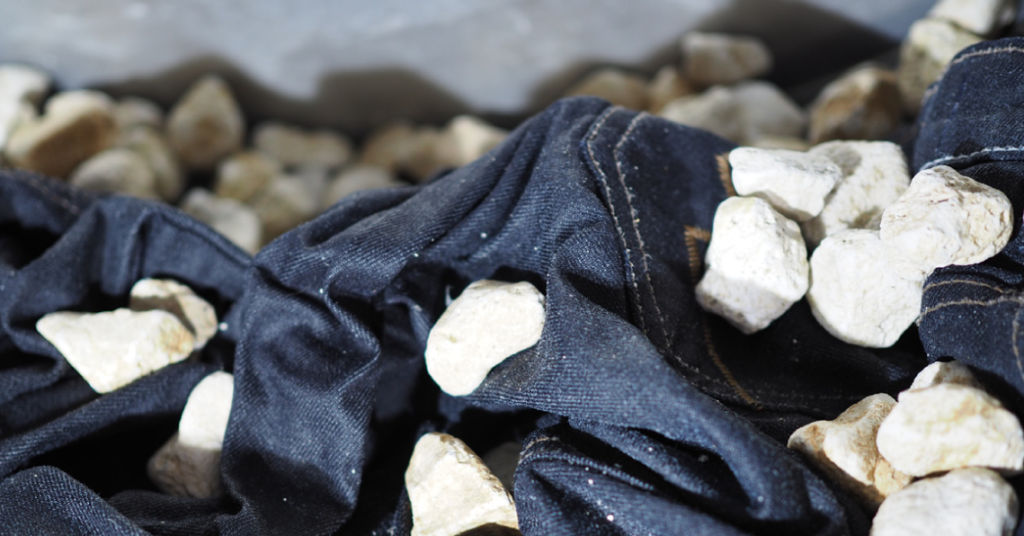
Acid Stone-Free Enzymes, also known as Acid Bio-Fading Enzymes, are cellulase-based solutions used to create controlled faded and worn effects on denim without relying on pumice stones. They provide enzymatic action on surface cellulose to develop desired denim appearance.

These enzymes help reduce the mechanical impact associated with conventional stone washing while supporting controlled colour fading and fabric appearance. They can be selected according to denim construction, desired shade effect, and processing conditions.

Key Benefits :

Overview

Neutral Stone-Free Enzyme

Neutral Stone-Free Enzymes, also known as Neutral Bio-Fading Enzymes, are cellulase-based solutions used to produce controlled fading and abrasion effects on denim under near-neutral conditions. They help create a soft, worn appearance while reducing dependence on traditional stone washing.

Their controlled enzymatic activity supports uniform denim fading and fabric surface modification. These enzymes are suitable for denim processing where neutral pH conditions and consistent fading effects are preferred.

Key Benefits :

Overview

Bio-Finishing Enzymes

Bio-Finishing Enzymes are specialized enzymatic solutions used to improve the surface characteristics, softness, handle, and overall appearance of textile fabrics. They provide controlled modification of fibres to achieve desired finishing effects.

These enzymes can support smoother fabric surfaces, improved softness, reduced fuzz, and enhanced appearance in cotton and cellulosic textiles. They are suitable for textile finishing processes where improved fabric quality and handle are required.

Key Benefits :

Overview

Peroxide Killer Enzymes

Peroxide Killer Enzymes, commonly based on catalase activity, are used to remove residual hydrogen peroxide after textile bleaching. They help decompose remaining peroxide into water and oxygen before dyeing or subsequent processing.

By efficiently removing residual peroxide, these enzymes help prevent interference with reactive dyes and other sensitive processing chemicals. They support shorter processing sequences, improved dyeing consistency, and reliable textile preparation.

Key Benefits :

Overview

Bio-Scouring Enzyme

Bio-Scouring Enzymes are specialized enzyme systems used to assist in the removal of natural impurities such as pectins, waxes, and other non-cellulosic components from cotton and cellulosic fibres. They help improve fabric wettability and absorbency before dyeing and finishing.

Enzymatic scouring can provide a controlled alternative or complement to conventional alkaline scouring processes. It supports effective fabric preparation while helping maintain desirable fibre characteristics and processing performance.

Key Benefits :

What consumers need and want

Applications of Textile Enzymes

Our textile enzymes support desizing, bio-polishing, denim bio-fading, bio-finishing, peroxide removal, and bio-scouring applications.

Desizing

Enzymatic desizing supports the removal of starch-based sizing materials from cotton and cellulosic fabrics before further wet processing.

Bio-Polishing

Cellulase-based enzymes help remove loose and protruding fibres to improve fabric smoothness, softness, and appearance.

Peroxide Removal

Peroxide killer enzymes help remove residual hydrogen peroxide after bleaching before dyeing and subsequent processing.

What consumers need and want

Technical Advantages

Targeted enzymatic activity supports controlled textile processing, improved fabric characteristics, and consistent production performance.

Parameter Technical Advantage
High Enzymatic Activity Provides effective and targeted enzymatic action for diverse textile wet-processing applications.
Efficient Desizing Supports effective breakdown and removal of starch-based sizing materials from textile fabrics.
Controlled Bio-Polishing Helps remove protruding fibres and surface fuzz to improve fabric smoothness and appearance.
Effective Bio-Fading Supports controlled denim fading and worn effects under suitable acid or neutral processing conditions.
Improved Fabric Preparation Supports removal of impurities and residual peroxide to improve fabric readiness for dyeing and finishing.
Enhanced Softness & Handle Helps improve fabric softness, smoothness, handle, and overall surface characteristics.
Improved Absorbency Supports enzymatic scouring and preparation to improve wettability and absorbency of cellulosic fabrics.
Process Versatility Suitable for desizing, bio-polishing, bio-fading, bio-finishing, peroxide removal, and bio-scouring applications.
What consumers need and want

Why choose Shriji Exbiz?

Our Application Laboratory ensures every formulation delivers reliable, quantifiable results — providing detergent manufacturers with solutions that consistently meet high-performance standards.

Advanced Enzyme Solutions for Consistent Industrial Performance

Industry-Focused Expertise for Diverse Application Requirements

Customized Enzyme Formulations for Specific Process Needs

Consistent Quality with International Standards

Sustainable Solutions for Efficient Industrial Processes

Reliable Technical Support and Global Supply Capabilities

Shriji Exbiz Pvt. Ltd.

Textile Enzymes Questions

Textile enzymes are specialized biocatalysts used in processes such as desizing, scouring, bio-polishing, denim bio-fading, peroxide removal, and fabric finishing.

They are used to remove sizing materials and impurities, modify fabric surfaces, create denim fading effects, remove residual peroxide, and improve fabric softness and appearance.

Both are cellulase-based solutions used for surface fibre modification, but they are designed to perform under different pH conditions. Selection depends on the textile process and required operating conditions.

Cellulase-based bio-fading enzymes help create controlled worn and faded effects while reducing the need for conventional pumice stones and excessive mechanical abrasion.

Yes. Enzyme selection can be based on fabric type, processing temperature, pH, machine conditions, treatment time, and the desired fabric or colour effect.

Explore further

Related industry solutions

Navigate adjacent application hubs with the same disciplined technical onboarding.

Bakery Enzymes

Enhance dough quality, texture, volume, freshness, and shelf life.

Dairy Enzymes

Support cheese, milk, and dairy processing for improved quality and consistency.

Brewery Enzymes

Enzymes for superior cleaning, stain removal, and low-temperature washing.

Powering Industries with Better Enzyme Solutions

From manufacturing to processing, we deliver high-performance enzymes designed to improve efficiency, quality, and sustainability.
Powered by Joinchat