Brewery Enzymes
Optimize brewing performance with advanced enzyme solutions designed for efficient processing, consistency, and quality.
Overview
Brewery Enzymes
Brewery enzymes are specialized biocatalysts used to optimize key stages of brewing, including mashing, fermentation, clarification, and filtration. They help improve starch and protein breakdown, enhance extract recovery, and support consistent brewing performance.
Our brewery enzyme solutions are designed to meet the requirements of modern beer production, helping manufacturers achieve improved process efficiency, product clarity, fermentability, and batch-to-batch consistency. They can be selected according to raw materials, brewing conditions, and desired product characteristics.
Overview
Key Benefits of Brewery Enzymes
Discover the key benefits of brewery enzymes designed to improve conversion, fermentability, processing efficiency, and product quality.

Improved Extract Recovery
Enzymes support efficient breakdown of starches and other raw materials, helping maximize extract availability during mashing.

Enhanced Fermentability
Targeted enzyme action helps improve the availability of fermentable sugars, supporting efficient.
Better Process Efficiency
Enzyme solutions optimize key brewing processes and can help improve overall production efficiency and process control.

Improved Beer Clarity
Selected enzymes help reduce unwanted components that can contribute to haze, supporting improved clarity and stability.

Consistent Product Quality
Controlled enzymatic activity supports uniform brewing performance and consistent characteristics.

Raw Material Flexibility
Brewery enzymes can help optimize processing with different grains and adjuncts, providing greater flexibility.
Overview
Enzyme Solutions
Our brewery enzyme solutions are developed to optimize starch, protein, and non-starch polysaccharide breakdown during brewing.
Overview
Alpha Amylase
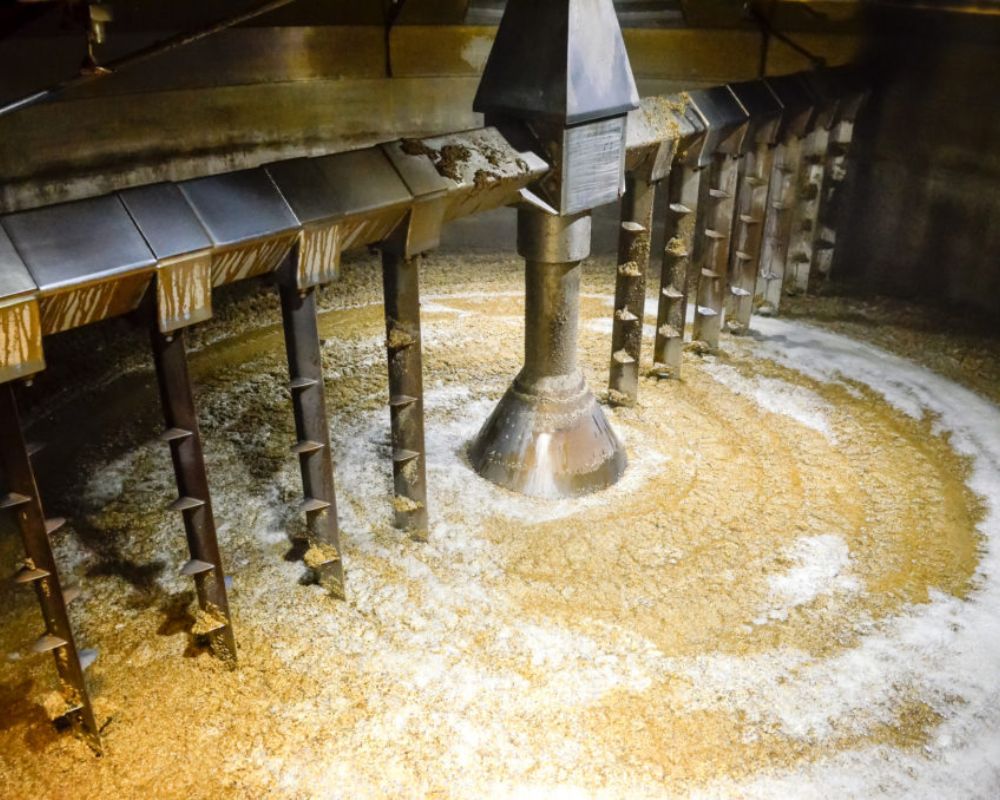
Alpha Amylase is used during the mashing stage to break down starch into shorter-chain dextrins and fermentable carbohydrates. It supports efficient starch conversion and helps improve extract recovery during brewing.
Its application can help breweries achieve better mash performance, consistent wort quality, and efficient utilization of cereal-based raw materials. It is suitable for different brewing processes depending on raw materials and process conditions.
Key Benefits :
- Efficient Starch Breakdown
- Enhanced Fermentability
- Improved Extract Recovery
- Process Efficiency
- Better Mash Conversion
- Consistent Wort Quality
Overview
Glucoamylase
Glucoamylase is used to hydrolyze dextrins and starch-derived carbohydrates into glucose and other fermentable sugars. It supports efficient saccharification and can improve the fermentability of brewing wort.
By increasing fermentable sugar availability, glucoamylase can support efficient fermentation and help optimize alcohol yield. It is particularly useful in brewing processes requiring higher attenuation or improved carbohydrate utilization.
Key Benefits :
- Enhanced Saccharification
- Better Extract Utilization
- Higher Fermentability
- Process Optimization
- Improved Attenuation
- Consistent Performance
Overview
Protease
Protease enzymes break down proteins into smaller peptides and amino acids during brewing. Controlled protein hydrolysis can support wort quality, fermentation performance, and the management of protein-related processing issues.
Protease is particularly useful where raw materials contain higher protein levels or where controlled protein modification is required. Its application can help optimize processing while supporting consistent brewing performance.
Key Benefits :
- Protein Breakdown
- Better Process Control
- Improved Wort Quality
- Clarity Support
- Fermentation Support
- Raw Material Flexibility
Overview
Papain
Papain is a proteolytic enzyme derived from papaya and is used to hydrolyze proteins into smaller peptides. In brewing applications, it can support the management of protein-related haze and improve product clarity.
Its controlled application can assist breweries in achieving desirable clarity and stability while supporting efficient processing. Papain can be incorporated according to the specific brewing process and product requirements.
Key Benefits :
- Protein Hydrolysis
- Improved Clarity
- Controlled Processing
- Haze Reduction Support
- Product Stability
- Brewing Flexibility
Overview
Beta-Glucanase
Beta-Glucanase helps break down beta-glucans present in barley and other cereal-based raw materials. This can reduce mash viscosity and support smoother lautering and wort separation.
By improving the breakdown of beta-glucans, the enzyme supports better filtration and processing efficiency. It is particularly useful when working with raw materials containing elevated levels of beta-glucans.
Key Benefits :
- Beta-Glucan Breakdown
- Improved Lautering
- Improved Extract Recovery
- Reduced Mash Viscosity
- Better Filtration
- Process Efficiency
Overview
Xylanase
Xylanase breaks down xylan and other hemicellulosic components present in cereal-based raw materials. It can improve the accessibility of starch and support more efficient raw material processing during brewing.
The enzyme can help reduce viscosity and improve wort separation, particularly when processing grains or adjuncts with higher levels of non-starch polysaccharides. This supports improved brewing efficiency and consistency.
Key Benefits :
- Xylan Breakdown
- Better Wort Separation
- Adjunct Processing
- Reduced Viscosity
- Improved Extract Recovery
- Process Optimization
Overview
Pectinase
Pectinase helps break down pectin and related plant cell-wall components present in selected brewing raw materials. It can support improved processing and clarification where pectin-related components affect wort or beer quality.
Its application can help optimize raw material utilization and processing efficiency. Pectinase can be selected according to the raw materials and specific requirements of the brewing process.
Key Benefits :
- Pectin Breakdown
- Clarity Support
- Raw Material Utilization
- Improved Processing
- Better Filtration
- Application Flexibility
Overview
Cellulase
Cellulase breaks down cellulose and related plant-fibre components present in cereal-based and other brewing raw materials. It can support improved release of soluble components and better utilization of plant-based materials.
By modifying fibrous material, cellulase can help improve processing efficiency and support smoother handling of certain raw materials. Its application depends on the formulation and brewing process.
Key Benefits :
- Cellulose Breakdown
- Better Processing
- Enhanced Extract Availability
- Improved Raw Material Utilization
- Reduced Viscosity Support
- Process Flexibility
Overview
Multi-Enzyme Blend
Multi-Enzyme Blends combine complementary enzyme activities to address multiple brewing requirements within a single formulation. They can include activities such as amylase, glucoamylase, protease, beta-glucanase, xylanase, and other targeted enzymes.
These blends are designed to support coordinated starch, protein, and non-starch polysaccharide breakdown. They can help breweries optimize conversion, extract recovery, fermentability, filtration, and overall process consistency.
Key Benefits :
- Multiple Enzyme Activities
- Enhanced Extract Recovery
- Improved Fermentability
- Improved Conversion
- Better Process Efficiency
- Consistent Brewing Performance
What consumers need and want
Applications of Brewery Enzymes
Our brewery enzyme solutions support key stages of brewing, from mashing and fermentation to clarification and filtration.
Fermentation
Targeted enzymes can improve fermentability by increasing the availability of suitable sugars for yeast activity.
- Improved fermentability
- Better attenuation control
- Controlled milk protein and fat modification
Filtration
Enzyme treatment can help reduce filtration challenges by modifying unwanted components in the beer.
- Improved filtration efficiency
- Reduced filtration load
- More consistent processing
Brewery Process Optimization
Enzyme solutions can be integrated into different brewing stages to improve process control and overall production efficiency.
- Optimized brewing performance
- Consistent batch quality
- Improved process efficiency
What consumers need and want
Technical Advantages
Our dairy enzyme solutions are designed to improve processing efficiency, texture, flavour, and product consistency across diverse dairy applications.
| Parameter | Technical Advantage |
|---|---|
| High Enzymatic Activity | Provides effective enzyme action for efficient breakdown of starches, proteins, and other brewing components. |
| Improved Starch Conversion | Supports efficient conversion of starch into fermentable sugars during mashing and saccharification. |
| Enhanced Fermentability | Helps increase the availability of fermentable sugars for consistent and efficient fermentation. |
| Improved Extract Recovery | Supports better utilization of raw materials and improved extract yield during brewing. |
| Better Beer Clarity | Helps reduce haze-forming components and supports improved clarity and colloidal stability. |
| Filtration Efficiency | Supports smoother filtration by reducing components that can increase filtration load. |
| Raw Material Flexibility | Enables efficient processing of different grains, cereals, and adjunct materials. |
| Consistent Brewing Performance | Supports uniform processing conditions and consistent product characteristics across production batches. |
What consumers need and want
Why choose Shriji Exbiz?
Our Application Laboratory ensures every formulation delivers reliable, quantifiable results — providing detergent manufacturers with solutions that consistently meet high-performance standards.
Advanced Enzyme Solutions for Consistent Industrial Performance
Industry-Focused Expertise for Diverse Application Requirements
Customized Enzyme Formulations for Specific Process Needs
Consistent Quality with International Standards
Sustainable Solutions for Efficient Industrial Processes
Reliable Technical Support and Global Supply Capabilities
Shriji Exbiz Pvt. Ltd.
Brewery enzyme questions
1. What are brewery enzymes?
Brewery enzymes are specialized enzymes used during brewing to support starch breakdown, protein modification, fermentation, clarification, and filtration processes.
2. What types of dairy enzymes do you offer?
Our dairy enzymeBrewery enzymes can help improve extract recovery, fermentability, process efficiency, beer clarity, filtration, and batch-to-batch consistency. solutions include Lactase, Lipase, Catalase, and Transglutaminase, each designed for specific dairy processing requirements.
3. At which stage of brewing are enzymes used?
Depending on the enzyme, they can be applied during mashing, saccharification, fermentation, clarification, and filtration.
4. How do enzymes improve extract recovery?
Enzymes help break down starches and other raw materials into smaller components, increasing the availability of fermentable materials and supporting better extract utilization.
5. Can brewery enzymes improve beer clarity?
Yes. Selected enzymes can break down haze-forming components and support improved beer clarity and colloidal stability.
Explore further
Related industry solutions
Navigate adjacent application hubs with the same disciplined technical onboarding.
Textile Enzymes
Enhance fabric finishing, bio-polishing, desizing, and textile quality.
Leather Processing Enzymes
Enable efficient dehairing, bating, and cleaner leather processing.
Detergent Enzymes
Improve stain removal, cleaning performance, and detergent efficiency.