Bakery Enzymes
Enhance dough performance, texture, and volume with advanced bakery enzyme solutions.
Achieve consistent quality, improved freshness, and better baking performance.
Overview
Bakery Enzymes
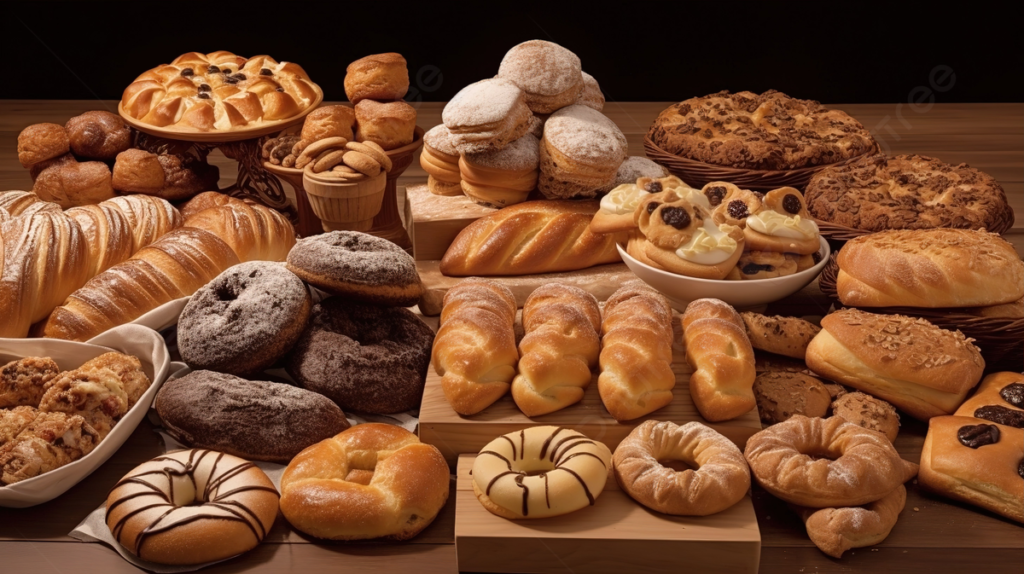
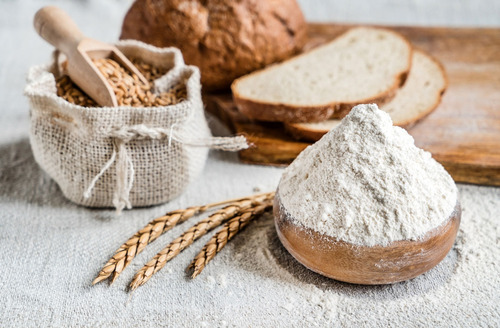
Bakery enzymes are specialized ingredients used to improve dough performance, processing efficiency, and the overall quality of baked products. They help optimize dough strength, elasticity, fermentation, and handling while supporting consistent results across different production conditions. Bakery enzyme solutions can be used in bread, buns, rolls, cakes, biscuits, and other baked products to improve texture, volume, softness, and freshness.
By supporting starch and protein modification during dough processing and baking, enzymes can contribute to better crumb structure, improved moisture retention, and extended shelf life. They also help manufacturers achieve consistent product quality while optimizing raw material utilization and production processes. Our bakery enzyme solutions are designed to meet the specific requirements of different formulations and baking applications.
Overview
Key Benefits of Bakery Enzymes
Our bakery enzyme solutions are designed to improve dough performance, product quality, freshness, and consistency throughout the baking process.

Improved Dough Strength
Enhances dough elasticity, stability, and handling properties for smoother processing.

Better Volume - Structure
Supports improved product volume and helps create a uniform, well-developed crumb structure.

Enhanced Softness
Helps maintain a soft, appealing texture throughout the product’s shelf life.

Extended Freshness
Improves moisture retention and helps delay staling for longer-lasting freshness.

Consistent Quality
Helps deliver uniform texture, appearance, and performance across production batches.

Better Processing
Supports smoother dough handling and consistent performance during mixing, fermentation, and baking.
Overview
Enzyme Solutions
Navigate enzyme families engineered for laundry, dishwash and powder detergent systems — each panel summarises intent; application trials confirm fit.
Overview
Bacterial Alpha Amylase
Bacterial Alpha Amylase supports the breakdown of starch during dough processing and baking. It helps optimize fermentation and dough performance.
It is suitable for bakery applications where improved volume, crumb structure, and consistent baking performance are required.
Bacterial Alpha Amylase supports efficient starch conversion during dough preparation and baking. It helps provide a balanced supply of fermentable sugars for improved dough development.
Its application can help bakers achieve more uniform processing and desirable finished-product characteristics across different bread and bakery formulations.
Key Benefits :
- Better Dough Performance
- Consistent Baking
- Improved Volume
- Improved Fermentation
- Better Crumb Structure
- Better Processing
Overview
Fungal Alpha Amylase
Fungal Alpha Amylase helps convert starch into fermentable sugars during the baking process. It supports efficient yeast activity and dough development.
It is widely suitable for bread and bakery formulations requiring improved texture, volume, and overall product consistency.
Fungal Alpha Amylase works primarily during dough fermentation and baking to support starch breakdown. It helps provide fermentable sugars that contribute to yeast activity and dough development.
It can be used in a range of bread and bakery formulations to support consistent processing, crumb quality, and finished-product characteristics.
Key Benefits :
- Better Dough Quality
- Better Fermentation
- Enhanced Texture
- Improved Crumb
- Improved Volume
- Consistent Results
Overview
Bacterial Xylanase
Bacterial Xylanase acts on arabinoxylans in flour to support dough handling and water distribution. It helps improve the functional properties of dough.
The enzyme can support better loaf structure, dough stability, and processing performance across various bakery applications.
Bacterial Xylanase helps modify arabinoxylans present in flour, influencing water distribution and dough rheology. This can support improved dough development and handling during production.
Its use can contribute to more uniform dough characteristics and improved processing performance in different bread and bakery applications.
Key Benefits :
- Better Dough Handling
- Better Water Distribution
- Improved Volume
- Improved Texture
- Enhanced Structure
- Consistent Processing
Overview
Fungal Xylanase
Fungal Xylanase helps modify flour components that influence dough development and water management. It supports improved dough machinability and baking performance.
It is suitable for bakery formulations where improved volume, crumb structure, softness, and consistency are desired.
Fungal Xylanase helps improve the functionality of flour by modifying specific non-starch polysaccharides. It supports dough development and can improve handling during mixing and processing.
The enzyme can be incorporated into different bakery formulations to support consistent dough properties, structure, and finished-product quality.
Key Benefits :
- Improved Dough Handling
- Improved Softness
- Better Volume
- Better Machinability
- Enhanced Crumb
- Consistent Quality
Overview
Lipase
Lipase supports the modification of lipids present in flour and dough systems. It can contribute to improved dough properties and finished product quality.
It is useful in bakery formulations where enhanced crumb structure, softness, appearance, and freshness are important.
Lipase acts on lipids within the dough system and can influence dough functionality and finished-product characteristics. It supports the development of desirable crumb and texture properties.
It can be used in bread and other bakery applications where improved softness, structure, appearance, and product consistency are required.
Key Benefits :
- Better Dough Quality
- Better Structure
- Improved Crumb
- Improved Freshness
- Enhanced Softness
- Consistent Results
Overview
Glucose Oxidase
Glucose Oxidase supports dough strengthening through controlled oxidation during mixing and dough development. It can improve dough stability and handling properties.
It is suitable for bakery applications requiring stronger dough structure, improved machinability, and consistent processing performance.
Glucose Oxidase promotes controlled oxidation within the dough system, supporting the development of a stronger protein network. This can help improve dough stability during processing.
It is particularly useful in applications where dough strength, machinability, and structural consistency are important for efficient bakery production.
Key Benefits :
- Stronger Dough
- Better Structure
- Better Stability
- Enhanced Machinability
- Improved Handling
- Consistent Processing
Overview
Maltogenic Amylase
Maltogenic Amylase helps modify starch during baking and storage. It is primarily used to support softness and maintain desirable texture over time.
It can be incorporated into bread and bakery formulations where freshness and improved shelf-life characteristics are important.
Maltogenic Amylase acts on starch components during baking and storage, helping maintain desirable crumb characteristics. It is commonly used to support softness over the product’s storage period.
Its application can help bakery manufacturers maintain a pleasant texture and freshness while supporting consistent quality throughout the intended shelf life.
Key Benefits :
- Improved Softness
- Reduced Staling
- Longer Freshness
- Improved Crumb
- Better Texture
- Consistent Quality
Overview
Protease
Protease helps modify proteins in flour and dough, influencing dough elasticity and extensibility. It supports easier dough handling and processing.
It can be used in bakery formulations where controlled dough development and improved machinability are required.
Protease hydrolyzes selected proteins within flour and dough, allowing dough strength and extensibility to be adjusted according to processing requirements. This can support easier dough handling.
It can be particularly useful in formulations where controlled gluten modification and improved machinability are required for consistent production.
Key Benefits :
- Better Dough Handling
- Better Machinability
- Improved Extensibility
- Improved Processing
- Controlled Dough Strength
- Consistent Results
Overview
Cellulase
Cellulase helps modify fiber components within flour and dough systems. It supports improved dough properties and processing performance.
The enzyme can contribute to better texture, crumb characteristics, and consistency in selected bakery applications.
Cellulase helps modify cellulose and related fiber components within flour-based systems. This can influence dough functionality and support improved processing characteristics.
Depending on the formulation, it can contribute to desirable crumb texture, dough handling, and consistency in selected bakery products.
Key Benefits :
- Better Dough Quality
- Enhanced Processing
- Improved Texture
- Improved Consistency
- Better Crumb
- Better Product Quality
Overview
Papain
Papain is a proteolytic enzyme that helps break down proteins in dough. It can support controlled dough development and improve dough handling characteristics.
It is suitable for selected bakery applications where dough extensibility and processing properties need to be optimized.
Papain is a natural proteolytic enzyme that breaks down proteins within dough systems. Controlled use can help modify dough strength and improve extensibility.
It can be applied in selected bakery formulations where easier processing, controlled dough development, and specific texture characteristics are required.
Key Benefits :
- Improved Dough Handling
- Enhanced Processing
- Better Extensibility
- Better Machinability
- Controlled Dough Strength
- Consistent Results
Overview
Transglutaminase
Transglutaminase supports protein cross-linking and helps strengthen the protein network within dough systems. It can improve structural properties in bakery formulations.
It is useful where improved dough strength, structure, handling, and finished-product consistency are required.
Transglutaminase catalyzes cross-linking between proteins, helping develop a stronger and more cohesive protein network. This can improve structural properties within dough and bakery formulations.
Its application can support better dough stability, shape retention, texture, and processing performance depending on the product formulation.
Key Benefits :
- Stronger Dough Structure
- Better Shape Retention
- Improved Texture
- Enhanced Handling
- Better Dough Stability
- Consistent Quality
Overview
Multi-Enzyme Blends for Bakery
Multi-Enzyme Blends combine selected enzymes to address multiple dough and baking requirements within a single formulation. They can be customized according to the application and process conditions.
These blends support improved processing, texture, volume, freshness, and overall product consistency across different bakery products.
Multi-Enzyme Blends combine complementary enzyme activities to address several processing requirements within one solution. The blend composition can be designed according to the specific bakery application.
They can be used to support dough handling, volume, texture, freshness, and processing consistency across different types of bakery products.
Key Benefits :
- Multiple Enzyme Action
- Enhanced Texture
- Improved Dough Performance
- Improved Freshness
- Better Volume
- Consistent Quality
Overview
Bread Improver
Bread Improvers are formulated to support dough performance and improve the quality of finished bread. They can help optimize mixing, fermentation, baking, and overall processing.
Depending on the formulation, they can contribute to improved volume, crumb structure, softness, freshness, and product consistency.
Bread Improvers combine selected functional ingredients and enzymes to optimize dough and baking performance. They are designed around the specific requirements of bread production.
Depending on the formulation, they can support dough stability, loaf volume, crumb structure, softness, and overall product consistency.
Key Benefits :
- Better Dough Handling
- Improved Softness
- Improved Bread Volume
- Longer Freshness
- Enhanced Crumb
- Consistent Quality
Overview
Flour Improver
Flour Improvers are designed to enhance the functional performance of flour for different bakery applications. They help optimize dough characteristics and processing performance.
They can support improved dough strength, handling, texture, volume, and consistency according to the specific flour and application requirements.
Flour Improvers are developed to enhance the functional properties of flour before and during dough processing. They help address variations in flour quality and application requirements.
They can support improved dough strength, handling, processing stability, and finished-product characteristics across different bakery formulations.
Key Benefits :
- Improved Flour Performance
- Improved Volume
- Better Dough Quality
- Better Texture
- Enhanced Dough Strength
- Consistent Results
Overview
Noodles & Pasta Improver
Noodles & Pasta Improvers are designed to support dough properties and processing performance in noodle and pasta production. They help optimize texture, handling, and product consistency.
These solutions can be tailored to different formulations and processing conditions to support desirable structure, appearance, cooking performance, and finished-product quality.
Noodles & Pasta Improvers are formulated to support the specific processing and quality requirements of noodle and pasta products. They help optimize dough functionality during mixing, sheeting, extrusion, and shaping.
Depending on the application, they can contribute to desirable texture, structure, appearance, cooking characteristics, and consistency in the finished product.
Key Benefits :
- Better Dough Handling
- Enhanced Appearance
- Improved Texture
- Improved Processing
- Better Structure
- Consistent Quality
What consumers need and want
Applications of Bakery Enzymes
Detergent enzymes are widely used in modern cleaning formulations to improve stain removal, washing efficiency, and overall cleaning performance across different laundry and household applications.
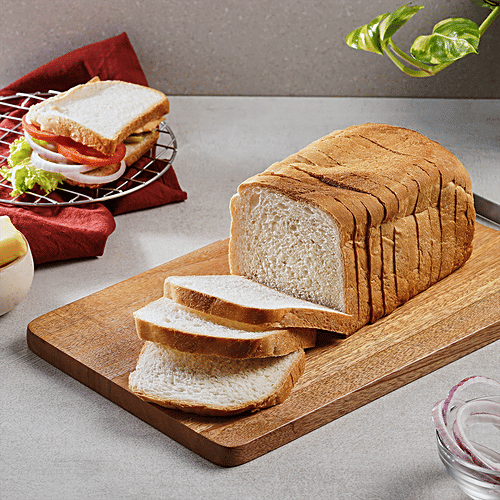
Bread & Buns
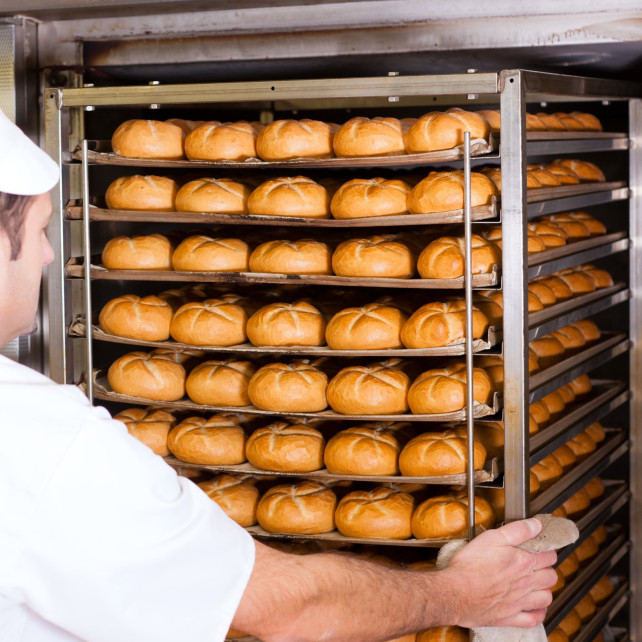
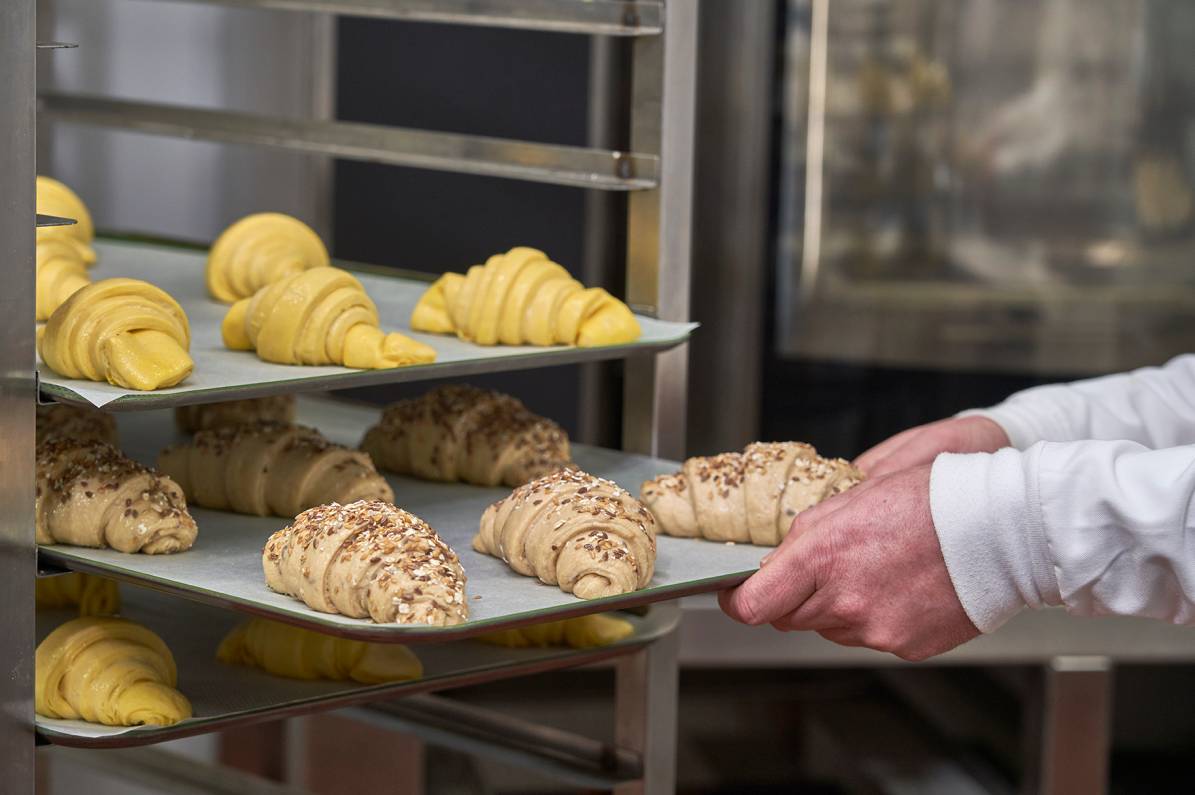
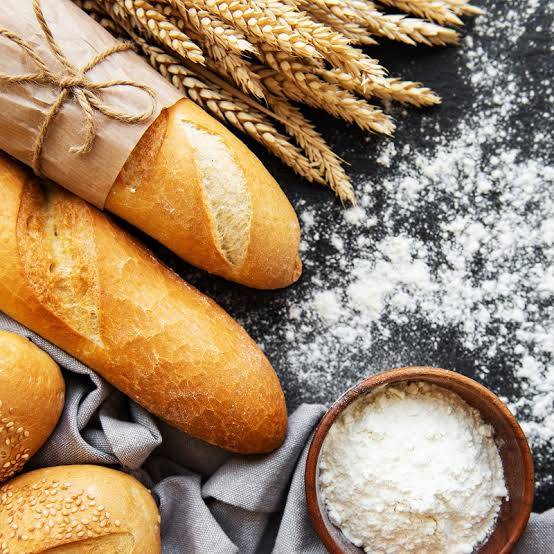
Bakery enzymes help optimize dough performance and finished-product quality in bread, buns, rolls, and similar products.
- Better Dough Handling
- Improved Volume
- Softer Crumb
Frozen Bakery Products
Enzyme solutions can support dough stability and finished-product characteristics during processing, freezing, storage, and baking.
- Improved Texture
- Consistent Quality
- Better Dough Stability
Cakes & Sponge Products
Selected enzymes and improvers help support batter properties, texture, softness, and volume in cakes and sponge-based products.
- Better Batter Stability
- Improved Softness
- Consistent Texture
What consumers need and want
Applications of Bakery Enzymes
Our bakery enzyme solutions are designed to optimize dough performance, product structure, texture, and freshness. Explore the key technical advantages that support consistent quality and efficient bakery processing.
| Parameter | Technical Advantage |
|---|---|
| High Enzymatic Activity | Provides effective enzyme action to support dough development and baking performance. |
| Improved Dough Handling | Supports better dough elasticity, extensibility, stability, and machinability during processing. |
| Enhanced Product Volume | Helps promote improved loaf volume and well-developed structure in finished bakery products. |
| Better Crumb Structure | Supports a uniform crumb structure with desirable texture and appearance. |
| Improved Softness | Helps maintain a soft and pleasant texture in bread and other bakery products. |
| Freshness Retention | Supports moisture retention and helps maintain desirable product quality during storage. |
| Formulation Versatility | Suitable for integration into bread, buns, biscuits, cakes, noodles, pasta, and other flour-based applications. |
| Consistent Baking Performance | Supports uniform processing and consistent finished-product characteristics across production batches. |
What consumers need and want
Why choose Shriji Exbiz?
Our Application Laboratory ensures every formulation delivers reliable, quantifiable results — providing detergent manufacturers with solutions that consistently meet high-performance standards.
Advanced Enzyme Solutions for Consistent Industrial Performance
Industry-Focused Expertise for Diverse Application Requirements
Customized Enzyme Formulations for Specific Process Needs
Consistent Quality with International Standards
Sustainable Solutions for Efficient Industrial Processes
Reliable Technical Support and Global Supply Capabilities
Shriji Exbiz Pvt. Ltd.
Bakery enzyme questions
What are bakery enzymes?
Bakery enzymes are functional ingredients used to improve dough performance and finished-product characteristics such as volume, texture, softness, freshness, and processing consistency.
What bakery products can use enzyme solutions?
Bakery enzymes can be used in bread, buns, rolls, biscuits, cookies, cakes, noodles, pasta, and other flour-based products, depending on the specific enzyme and formulation.
What is the role of Alpha Amylase in baking?
Alpha Amylase helps break down starch into smaller components and supports the availability of fermentable sugars during dough processing and baking. It can contribute to improved volume, crumb structure, and processing performance.
What is the difference between Bacterial and Fungal Alpha Amylase?
Bacterial and Fungal Alpha Amylase differ in their enzyme characteristics and performance under different processing conditions. The appropriate choice depends on the formulation, baking process, and desired product characteristics.
Do bakery enzymes improve product freshness?
Certain enzymes, such as Maltogenic Amylase, can help maintain desirable softness and texture during storage and may help delay staling when appropriately formulated.
Explore further
Related industry solutions
Navigate adjacent application hubs with the same disciplined technical onboarding.
Textile Enzymes
Enhance fabric finishing, bio-polishing, desizing, and textile quality.
Leather Processing Enzymes
Enable efficient dehairing, bating, and cleaner leather processing.
Detergent Enzymes
Improve stain removal, cleaning performance, and detergent efficiency.