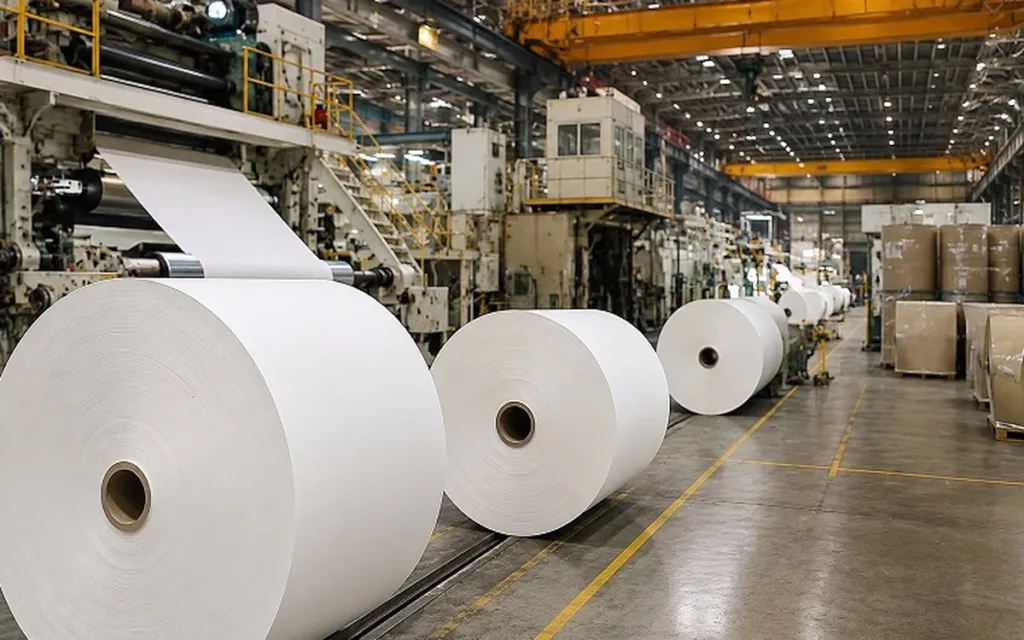
Paper & Pulp Industry Enzymes
Advanced enzyme solutions designed to optimize paper manufacturing, improve processing efficiency, and support consistent paper quality.
Overview
Paper & Pulp Industry Enzymes
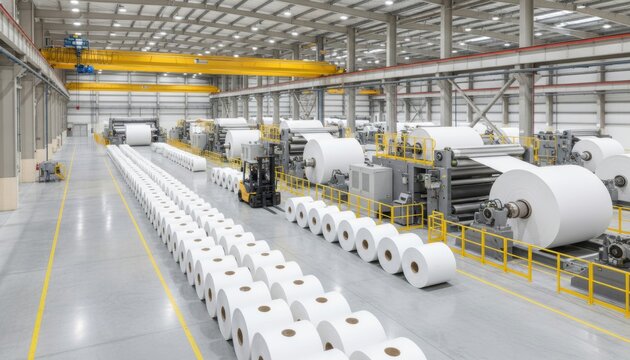
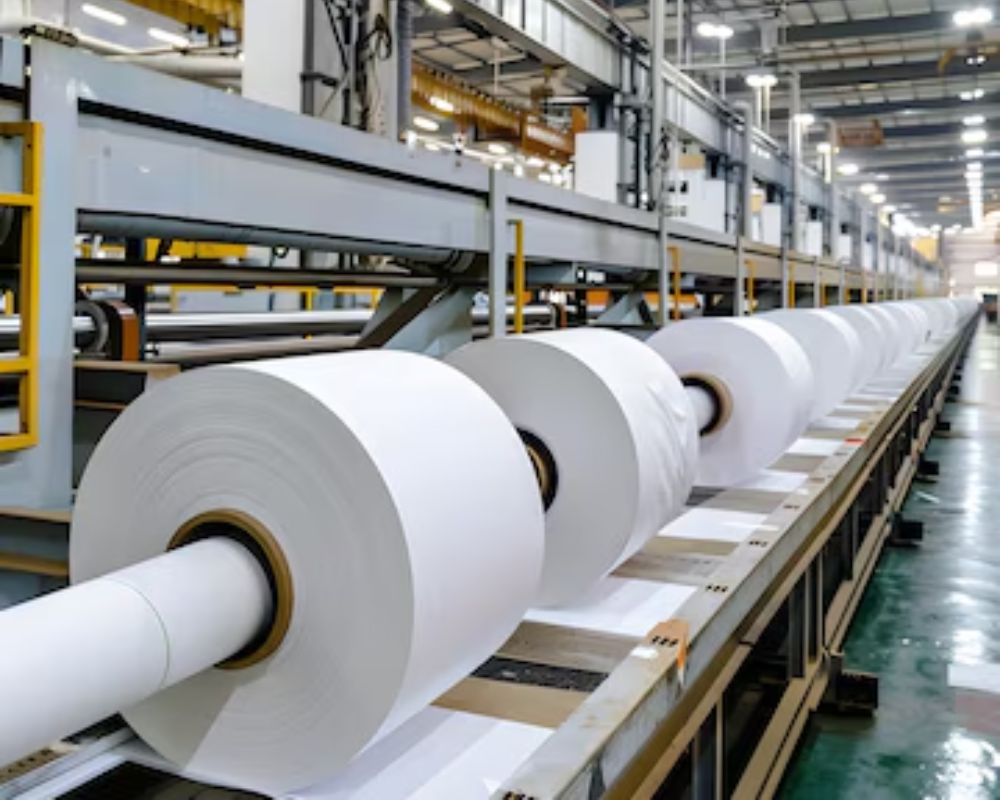
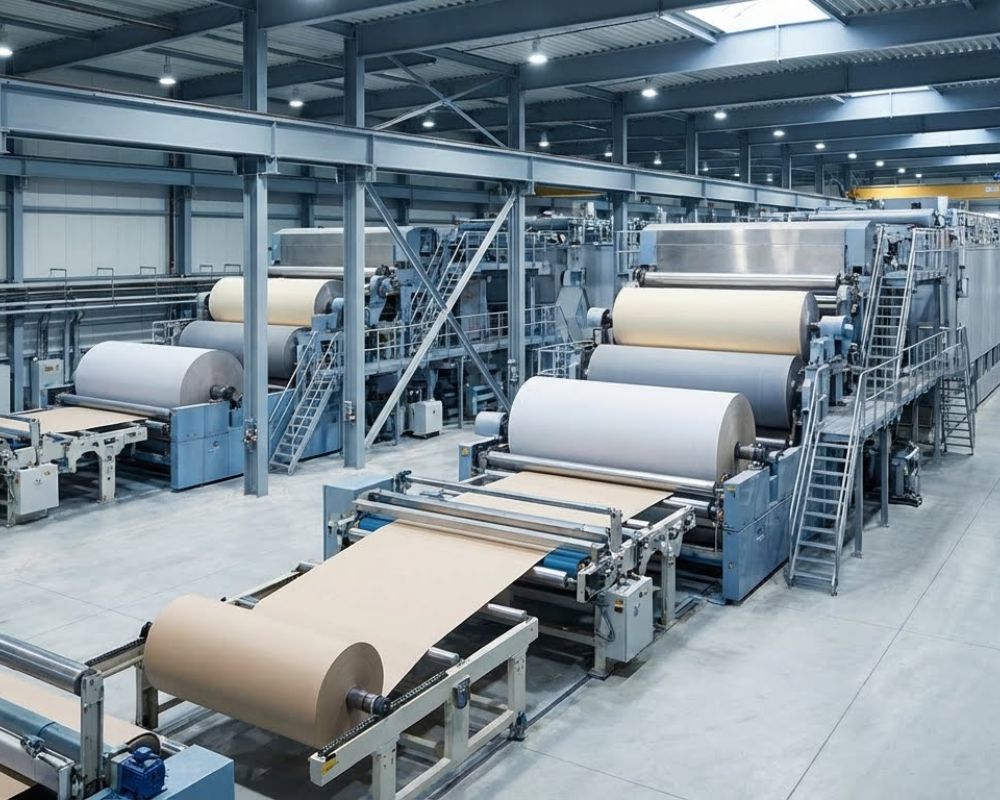
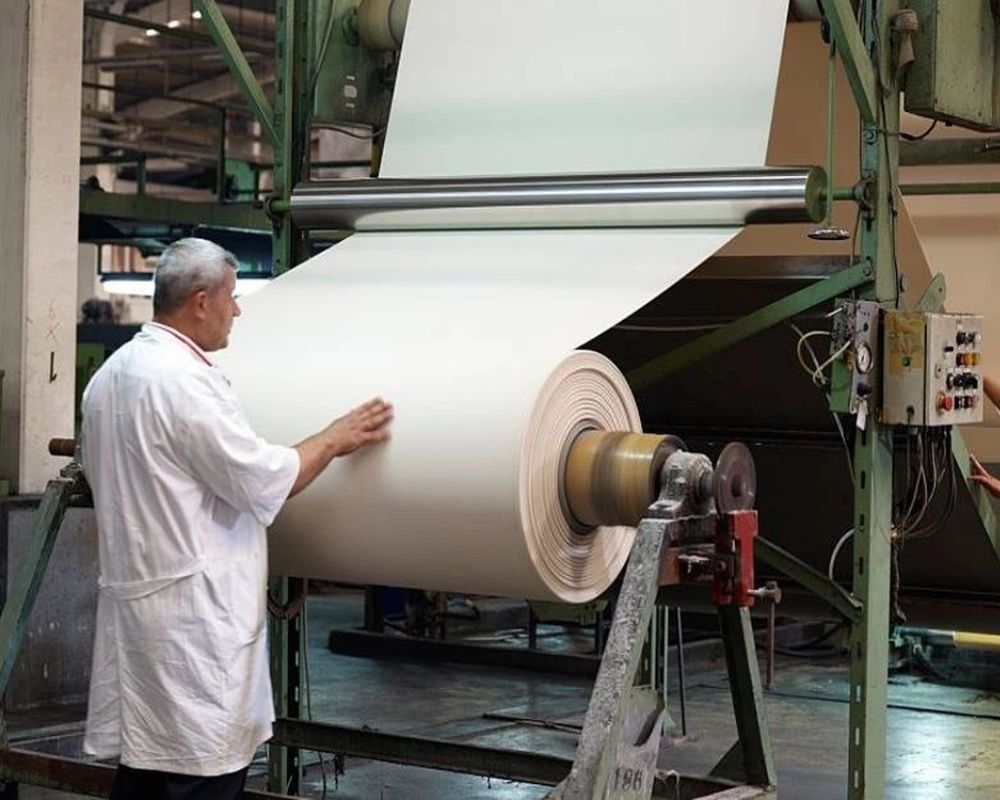
Paper and pulp enzymes are specialized biocatalysts used to optimize key stages of paper manufacturing, including starch modification, pitch control, deinking, and fibre refining. They provide targeted enzymatic action to improve process efficiency, fibre performance, deposit management, and finished-paper quality.
Our enzyme solutions are designed for virgin pulp, recycled fibre processing, and paper manufacturing applications. They help manufacturers optimize processing conditions, improve operational consistency, and achieve desired paper properties across different grades and production requirements.
Overview
Key Benefits of Paper & Pulp Industry Enzymes
Our paper and pulp enzyme solutions are designed to improve manufacturing efficiency, fibre processing, and overall paper quality.

Improved Process Efficiency
Supports optimized enzymatic treatment across paper manufacturing stages.

Enhanced Paper Strength
Helps improve selected strength properties through starch and fibre modification.

Effective Pitch Control
Supports the management of sticky deposits and resinous materials.

Improved Deinking Performance
Helps enhance ink detachment and recycled pulp processing.

Optimized Fibre Refining
Supports fibre development and refining efficiency.

Consistent Paper Quality
Helps maintain stable processing performance and desired paper characteristics.
Overview
Enzyme Solutions
Discover targeted enzyme solutions designed to improve starch functionality, manage pitch deposits, enhance deinking, and optimize fibre processing.
Overview
Starch Modification Enzyme
Starch Modification Enzymes are used in paper manufacturing to modify starch properties for applications such as surface sizing, coating, and paper strength improvement. They help optimize starch viscosity and functionality for different paper production requirements.
These enzymes support controlled starch modification, improved application performance, and consistent results across paper grades and manufacturing processes.
Key Benefits :
- Improved Starch Modification
- Better Surface Sizing
- Controlled Viscosity
- Improved Coating Performance
- Enhanced Paper Strength
- Consistent Paper Quality
Overview
Pitch Control Enzyme
Pitch Control Enzymes help manage sticky extractives, such as resinous materials, present in wood-based pulp. By modifying selected pitch components, they can help reduce deposits on process equipment and support smoother papermaking operations.
They can be incorporated into suitable pulping processes to support deposit management, reduce operational interruptions, and improve process consistency.
Key Benefits :
- Improved Pitch Management
- Better Equipment Cleanliness
- Reduced Sticky Deposits
- Reduced Maintenance Requirements
- Improved Process Stability
- Consistent Production Performance
Overview
Deinking Enzyme
Deinking Enzymes are used in recycled paper processing to support the removal of printing ink from recovered paper fibres. Their action can modify fibre surfaces and ink-related components, helping improve ink detachment and separation under suitable process conditions.
These enzymes can support deinking efficiency and recycled pulp quality while helping optimize selected stages of recycled fibre processing.
Key Benefits :
- Improved Ink Detachment
- Improved Fibre Processing
- Enhanced Deinking Efficiency
- Optimized Recycled Pulp Quality
- Better Pulp Brightness
- Consistent Processing Performance
Overview
Refining Enzyme
Refining Enzymes are designed to modify fibre surfaces and support fibre development during mechanical refining. They can help optimize refining requirements while supporting fibre bonding and selected paper strength properties.
Their application depends on the pulp type, fibre characteristics, refining conditions, and desired paper properties. Proper process optimization helps maintain a balance between refining efficiency and finished-paper quality.
Key Benefits :
- Improved Fibre Development
- Better Paper Strength
- Optimized Refining Efficiency
- Potential Energy Savings
- Enhanced Fibre Bonding
- Consistent Paper Quality
What consumers need and want
Applications of Paper & Pulp Industry Enzymes
Paper and pulp enzymes support different manufacturing processes, from raw fibre treatment to recycled paper production.
Starch Modification
Enzymes help modify starch properties for surface sizing, coating, and other paper applications requiring controlled viscosity and functionality.
- Controlled Starch Viscosity
- Improved Surface Sizing
- Enhanced Coating Performance
Pitch Control
Enzymatic treatment helps modify selected wood extractives to support deposit management and smoother pulp processing.
- Sticky Deposit Management
- Improved Equipment Cleanliness
- Better Process Stability
Deinking
Enzymes support ink detachment and separation during recovered-paper processing, helping optimize recycled pulp quality.
- Improved Ink Detachment
- Enhanced Deinking Efficiency
- Better Recycled Pulp Quality
What consumers need and want
Technical Advantages
Explore the technical advantages of our paper and pulp enzymes, supporting process optimization, fibre performance, and consistent production quality.
| Parameter | Technical Advantage |
|---|---|
| Starch Modification | Supports controlled modification of starch properties for sizing, coating, and paper strength applications. |
| Pitch Management | Helps modify selected resinous extractives to support deposit control during pulp processing. |
| Improved Deinking | Supports ink detachment and separation from recovered fibres under suitable processing conditions. |
| Fibre Modification | Provides targeted enzymatic action on fibre surfaces to support fibre development and processing. |
| Refining Optimization | Can help optimize refining requirements while maintaining desired pulp and paper properties. |
| Process Efficiency | Supports optimized treatment stages and efficient operation when matched to process conditions. |
| Paper Quality | Helps support desired strength, surface characteristics, brightness, and consistency according to the application. |
| Application Flexibility | Suitable for selected virgin pulp, recycled fibre, starch treatment, and paper manufacturing processes. |
What consumers need and want
Why choose Shriji Exbiz?
Our Application Laboratory ensures every formulation delivers reliable, quantifiable results — providing detergent manufacturers with solutions that consistently meet high-performance standards.
Advanced Enzyme Solutions for Consistent Industrial Performance
Industry-Focused Expertise for Diverse Application Requirements
Customized Enzyme Formulations for Specific Process Needs
Consistent Quality with International Standards
Sustainable Solutions for Efficient Industrial Processes
Reliable Technical Support and Global Supply Capabilities
Shriji Exbiz Pvt. Ltd.
Paper & Pulp Industry Enzymes Questions
1. What are paper and pulp enzymes?
Paper and pulp enzymes are biological catalysts used to support specific manufacturing processes, including starch modification, pitch control, deinking, and fibre refining.
2. Which enzymes are used in the paper and pulp industry?
Common solutions include starch modification enzymes, pitch control enzymes, deinking enzymes, and refining enzymes. The enzyme type depends on the raw material, process stage, and desired outcome.
3. How do enzymes help in recycled paper processing?
Selected enzymes can support ink detachment, fibre processing, and deinking performance. Results depend on the recovered paper composition, ink type, process conditions, and treatment formulation.
4. Can enzymes improve paper strength?
Certain enzyme treatments can support starch functionality or fibre modification, which may improve selected paper strength properties. The results depend on the pulp type, enzyme selection, dosage, and manufacturing conditions.
5. How do I select the right enzyme for paper manufacturing?
Selection depends on the specific application, such as starch modification, pitch management, deinking, or refining. Pulp composition, operating conditions, process compatibility, and target paper properties should be evaluated before choosing an enzyme.
Explore further
Related industry solutions
Navigate adjacent application hubs with the same disciplined technical onboarding.