Leather Processing Enzymes
Advanced enzyme solutions designed to optimize hide preparation, dehairing, bating, and leather processing.
Overview
Leather Processing Enzymes
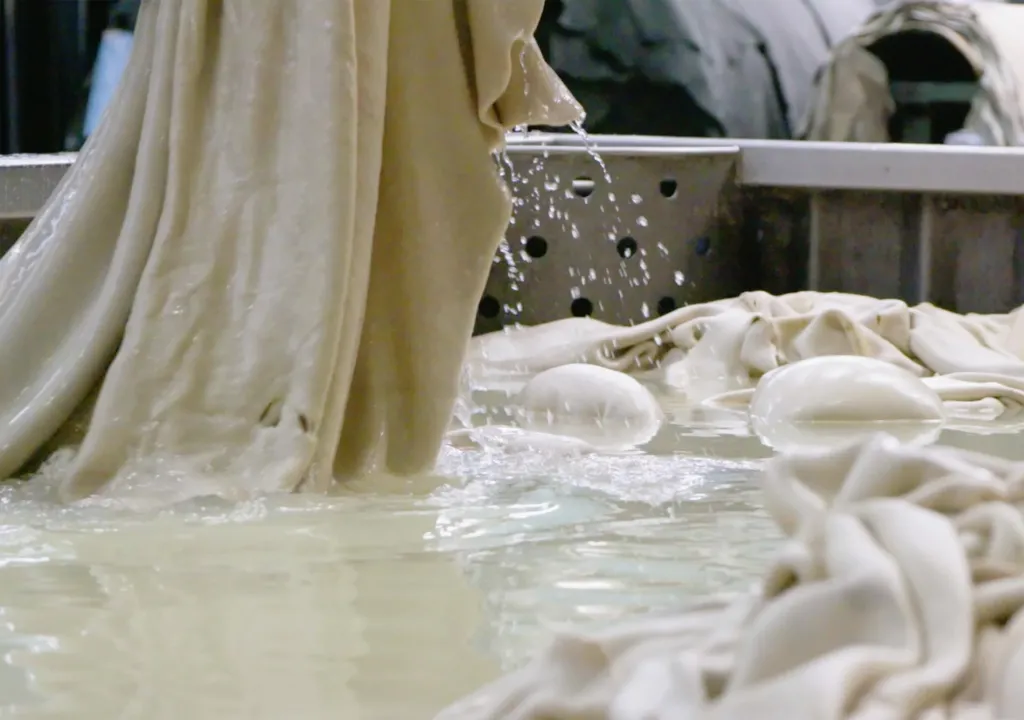
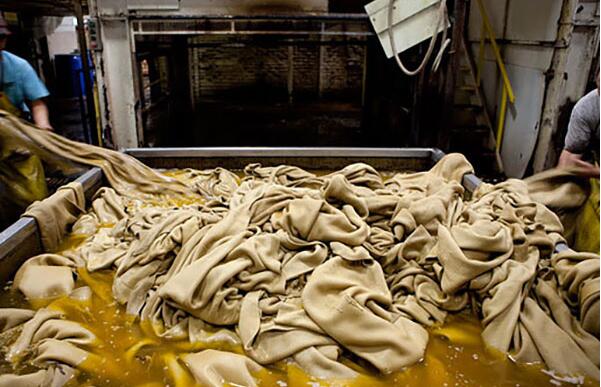
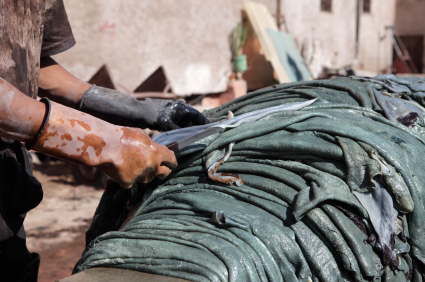
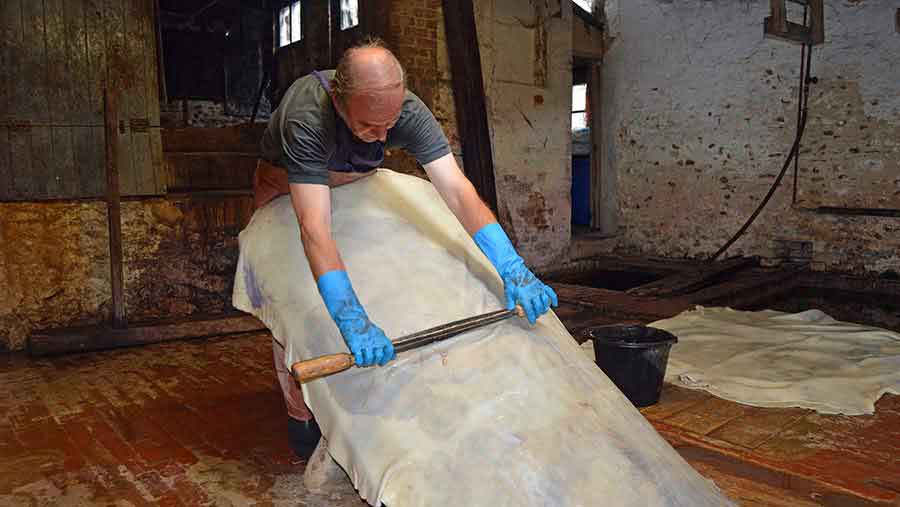
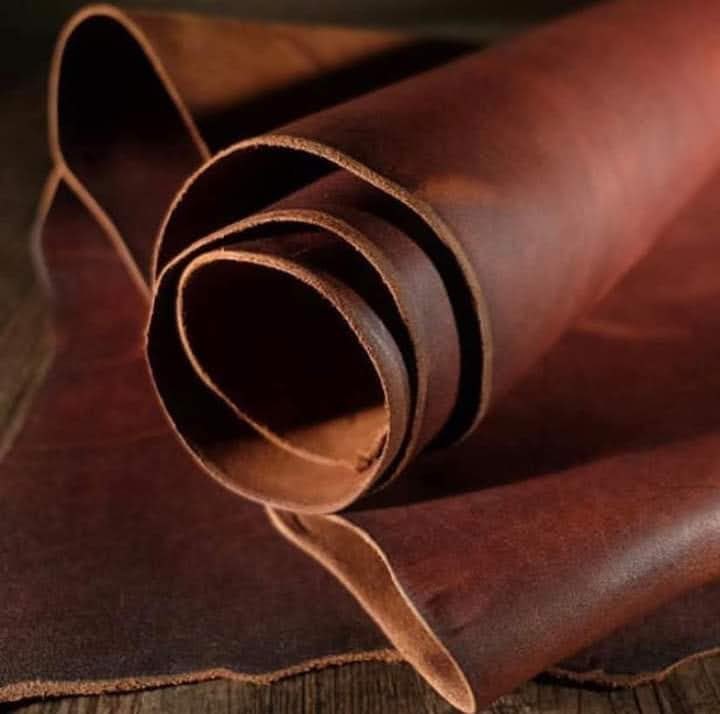
Leather processing enzymes are specialized biocatalysts used to optimize key stages of leather manufacturing, including soaking, dehairing, bating, degreasing, and hide preparation. They provide targeted enzymatic action to help modify proteins, fats, and other non-collagenous components of hides and skins.
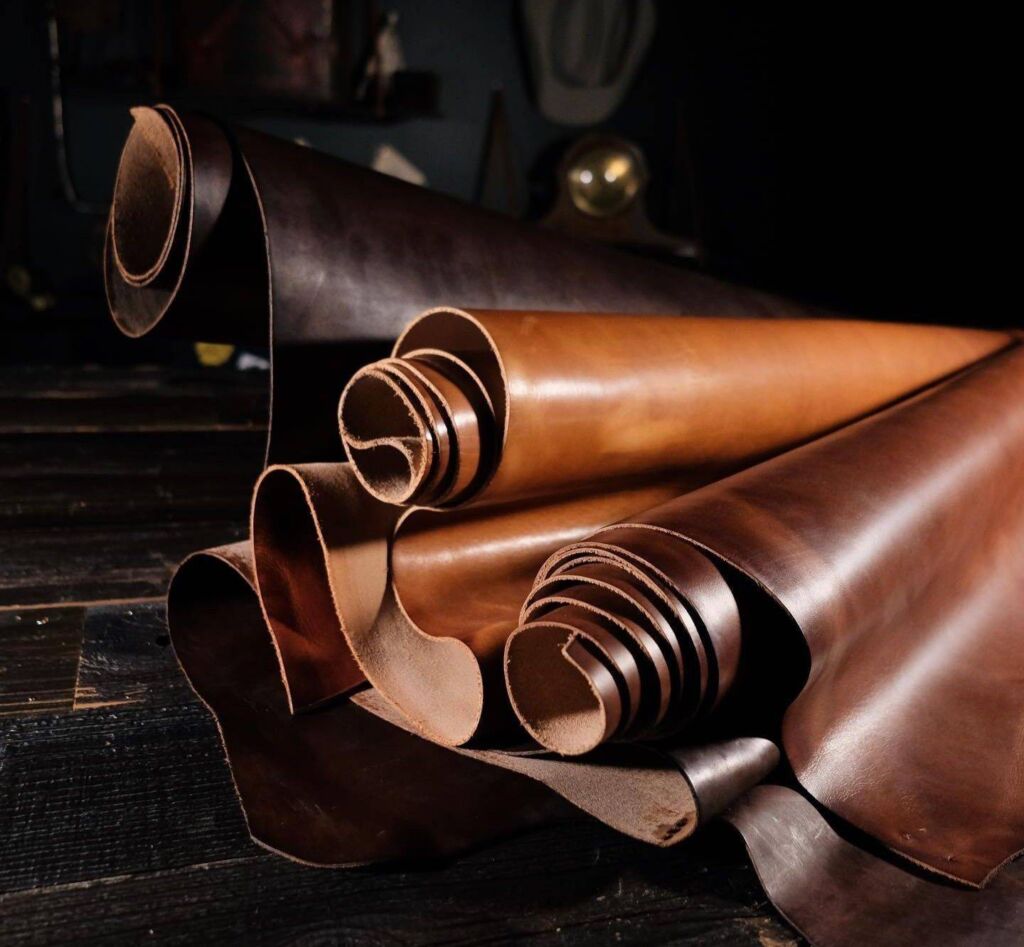
Our enzyme solutions are designed to support efficient processing, improved hide cleanliness, better fibre opening, and consistent leather quality. They can be selected according to the hide or skin type, processing stage, tanning method, and desired finished-leather characteristics.
Overview
Key Benefits of Leather Processing Enzymes
Support efficient processing, improved fibre structure, cleaner hides, and consistent leather quality.

Efficient Hide Preparation
Supports effective removal of unwanted proteins, fats, and impurities from hides and skins.

Improved Dehairing
Helps facilitate controlled removal of hair and epidermal components during leather processing.
Enhanced Fibre Opening
Supports effective opening and preparation of collagen fibres for subsequent tanning processes.

Better Degreasing
Helps break down and remove fats and grease, promoting cleaner and more uniform hides.

Improved Leather Quality
Supports desirable softness, grain cleanliness, uniformity, and overall leather characteristics.

Process Optimization
Helps improve processing efficiency and provides controlled enzymatic action across different leather manufacturing stages.
Overview
Enzyme Solutions
Our leather enzyme portfolio provides targeted solutions for soaking, dehairing, bating, degreasing, and other hide-processing stages.
Overview
Enzymes for Soaking
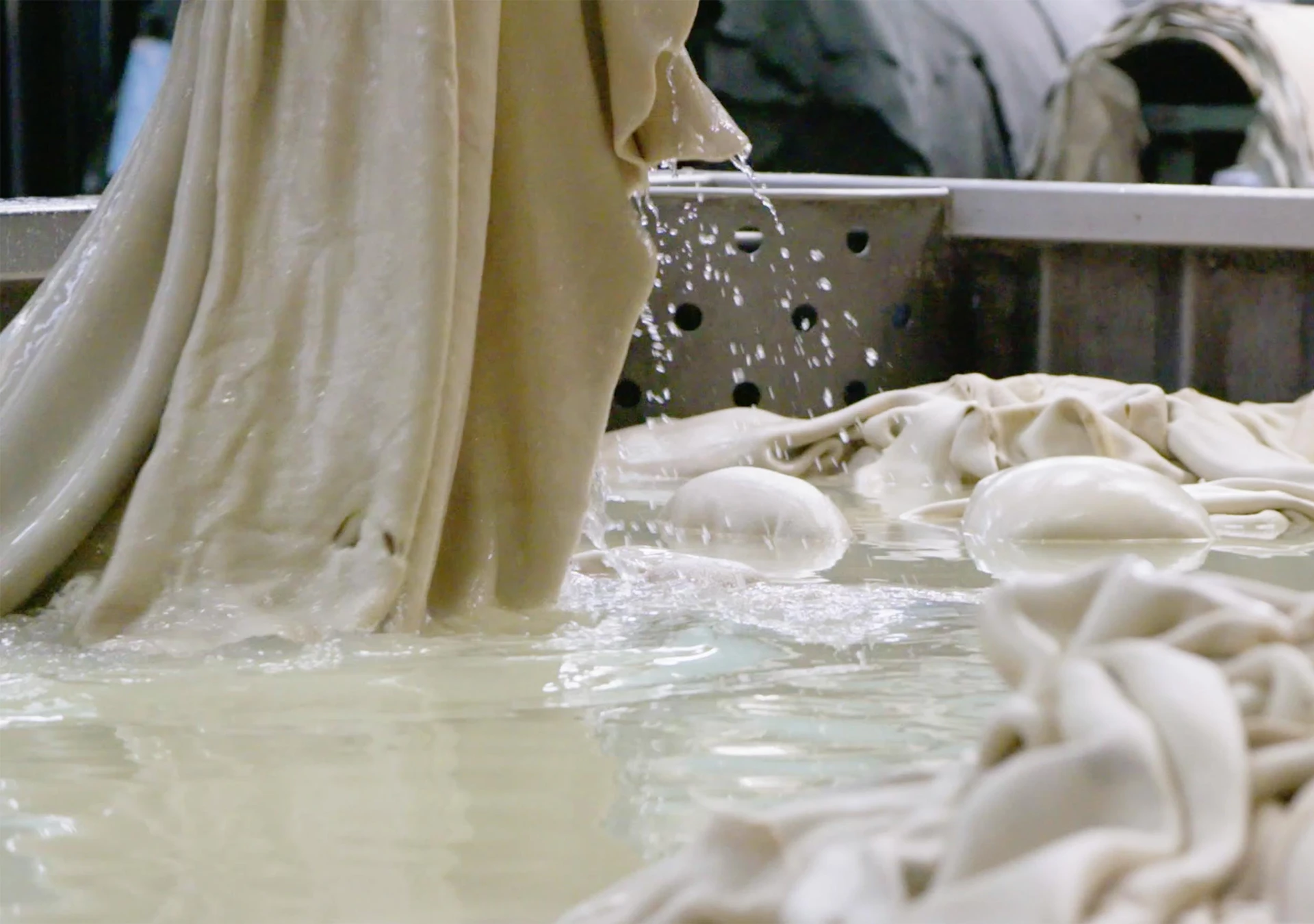
Soaking enzymes are used to support the rehydration and cleaning of hides and skins during the initial stage of leather processing. They help loosen and remove soluble proteins, dirt, impurities, and other unwanted materials.
By improving hide cleanliness and preparation, soaking enzymes support more uniform processing in subsequent stages. They can also contribute to better penetration of processing chemicals and improved overall process efficiency.
Key Benefits :
- Improved Hide Rehydration
- Enhanced Chemical Penetration
- Removal of Impurities
- Improved Process Efficiency
- Better Hide Cleanliness
- Consistent Hide Preparation
Overview
Enzymes for De-Liming
De-liming enzymes support the controlled removal of residual lime and non-collagenous proteins from hides after the liming process. They help prepare the hide structure for subsequent bating and tanning operations.
Enzymatic de-liming can provide targeted action while supporting improved hide cleanliness and processing uniformity. These enzymes can be selected according to hide type, processing conditions, and desired leather characteristics.
Key Benefits :
- Effective Lime Removal
- Better Fibre Condition
- Non-Collagenous Protein Removal
- Enhanced Process Control
- Improved Hide Preparation
- Consistent Processing
Overview
Enzymes for Bating
Bating enzymes are used to remove unwanted non-collagenous proteins and other residual materials from hides after liming and de-liming. They help improve the cleanliness, softness, and openness of the hide structure.
These enzymes support effective fibre preparation before tanning and can contribute to desirable grain quality and uniformity. Their activity can be adjusted according to the hide type and required finished-leather characteristics.
Key Benefits :
- Effective Protein Removal
- Better Grain Quality
- Improved Fibre Opening
- Improved Tanning Preparation
- Enhanced Hide Softness
- Consistent Hide Processing
Overview
Enzymes for De-greasing
De-greasing enzymes are used to help break down and remove natural fats, oils, and grease present in hides and skins. They support cleaner hide surfaces and more uniform preparation for subsequent tanning processes.
By reducing unwanted fatty components, enzymatic de-greasing can improve processing consistency and support better penetration of chemicals. These solutions can be used according to the characteristics of the raw hide and processing requirements.
Key Benefits :
- Effective Fat Breakdown
- Enhanced Processing Uniformity
- Improved Hide Cleanliness
- Improved Tanning Preparation
- Better Chemical Penetration
- Process Efficiency
Overview
Enzymes for Dehairing
Dehairing enzymes support the controlled removal of hair, epidermal components, and selected non-collagenous proteins from hides and skins. They provide targeted enzymatic action that can complement conventional dehairing processes.
Enzymatic dehairing solutions help support cleaner hide surfaces and improved fibre preparation for subsequent processing. Their application can be selected according to hide characteristics, processing conditions, and desired leather quality.
Key Benefits :
- Effective Hair Removal
- Improved Hide Cleanliness
- Epidermis Removal
- Enhanced Fibre Preparation
- Reduced Protein Residues
- Consistent Dehairing Performance
What consumers need and want
Applications of Leather Processing Enzymes
Our leather processing enzymes support key manufacturing stages, from soaking and dehairing to bating and degreasing.
Hide Soaking & Preparation
Enzymes can support the removal of soluble proteins, impurities, and unwanted materials during initial hide preparation.
- Hide and skin preparation
- Removal of non-collagenous proteins
- Improved processing uniformity
Dehairing & Bating
Proteolytic enzyme solutions can support controlled removal of hair, epidermal components, and unwanted proteins while preparing the hide for tanning.
- Dehairing support
- Bating
- Fibre preparation
Degreasing & Leather Finishing Preparation
Enzymes can assist in the breakdown of fats and other components to support cleaner and more uniform hides before subsequent processing.
- Fat and grease removal
- Improved hide cleanliness
- Better tanning preparation
What consumers need and want
Technical Advantages
Our leather enzymes provide targeted enzymatic activity for controlled modification and removal of non-collagenous hide components.
| Parameter | Technical Advantage |
|---|---|
| High Enzymatic Activity | Provides effective and targeted enzymatic action for leather processing and hide preparation applications. |
| Efficient Hide Preparation | Supports effective removal of unwanted proteins, fats, impurities, and other non-collagenous components from hides and skins. |
| Improved Dehairing | Supports controlled removal of hair and epidermal components during hide and skin processing. |
| Enhanced Fibre Opening | Helps promote effective opening and preparation of collagen fibre structures for subsequent tanning processes. |
| Better Degreasing | Supports enzymatic breakdown and removal of fats and grease to improve hide cleanliness and processing uniformity. |
| Improved Leather Quality | Supports desirable softness, grain cleanliness, uniformity, and consistent characteristics in finished leather. |
| Process Optimization | Helps improve processing efficiency through controlled enzymatic treatment across different leather manufacturing stages. |
| Consistent Processing Performance | Supports reliable enzymatic activity and consistent hide preparation and processing results across production batches. |
What consumers need and want
Why choose Shriji Exbiz?
Our Application Laboratory ensures every formulation delivers reliable, quantifiable results — providing detergent manufacturers with solutions that consistently meet high-performance standards.
Advanced Enzyme Solutions for Consistent Industrial Performance
Industry-Focused Expertise for Diverse Application Requirements
Customized Enzyme Formulations for Specific Process Needs
Consistent Quality with International Standards
Sustainable Solutions for Efficient Industrial Processes
Reliable Technical Support and Global Supply Capabilities
Shriji Exbiz Pvt. Ltd.
Leather Processing Enzymes questions
1. What are leather processing enzymes?
Leather processing enzymes are specialized biocatalysts used during stages such as soaking, dehairing, bating, degreasing, and hide preparation. They help modify or remove specific non-collagenous components from hides and skins.
2. What are the main benefits of using enzymes in leather processing?
They are used across skincare, haircare, cleansing, exfoliation, and other beauty formulations to provide targeted enzymatic action and support desired product characteristics.
3. At which stages of leather processing can enzymes be used?
Depending on the enzyme, they can be used during soaking, dehairing, bating, degreasing, and other hide-preparation stages before tanning.
4. Can leather processing enzymes improve finished leather quality?
Yes. Properly selected and applied enzymes can support cleaner hides, improved fibre preparation, softness, uniformity, and consistent characteristics in finished leather.
5. Can enzyme solutions be customized for different leather applications?
Yes. Enzyme selection can be tailored according to hide or skin type, processing stage, tanning method, operating conditions, and desired processing or finished-leather characteristics.
Explore further
Related industry solutions
Navigate adjacent application hubs with the same disciplined technical onboarding.