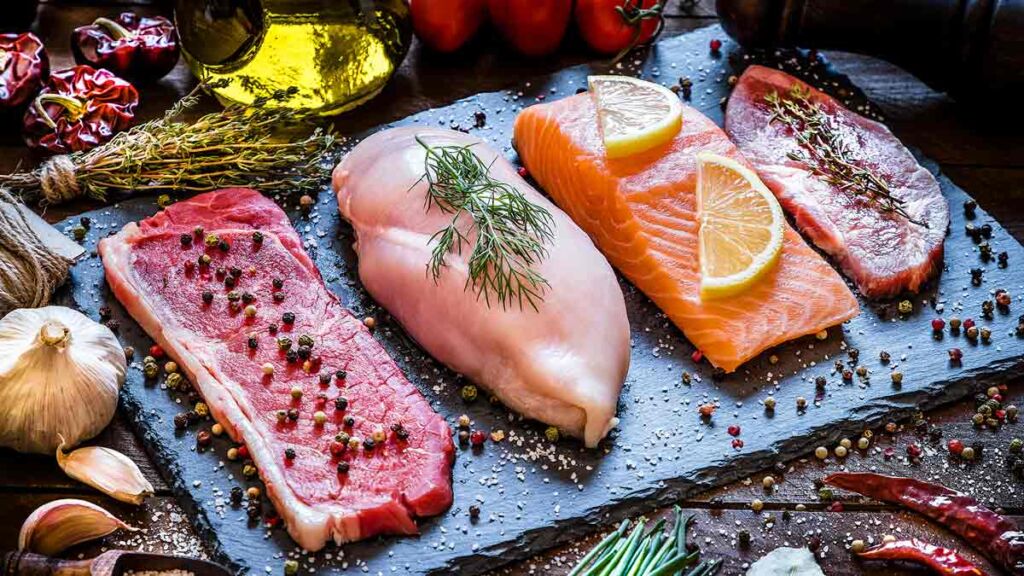
Meat & Protein Processing Enzymes
Advanced enzyme solutions designed to support efficient meat tenderization, protein hydrolysis, and controlled processing.
Overview
Meat & Protein Processing Enzymes
Meat and protein processing enzymes are specialized biocatalysts used to support controlled protein modification, tenderization, extraction, and processing of meat and protein-based products. They help optimize specific processing steps while supporting desirable texture, consistency, and product quality.
Our enzyme solutions are designed for applications such as meat tenderization, protein hydrolysis, functional protein processing, and selected food formulations. They can be selected according to the raw material, processing conditions, desired texture, and specific production requirements.
Overview
Key Benefits of Meat & Protein Processing Enzymes
Our meat and protein processing enzymes are designed to optimize tenderization, protein modification, and overall processing efficiency.

Improved Tenderization
Supports controlled breakdown of muscle proteins to improve meat tenderness and texture.

Enhanced Protein Hydrolysis
Helps break down proteins into smaller peptides and soluble components for selected processing applications.
Better Texture
Supports development of desirable texture and consistency in meat and protein-based products.

Improved Processing Efficiency
Helps optimize enzymatic treatment and protein modification processes.

Consistent Product Quality
Supports uniform processing and repeatable product characteristics across batches.

Application Flexibility
Suitable for meat processing, protein hydrolysates, functional protein ingredients, and selected food applications.
Overview
Enzyme Solutions
Our enzyme portfolio provides targeted solutions for meat tenderization, protein hydrolysis, and selected protein-based food applications.
Overview
Papain
Papain is a plant-derived proteolytic enzyme obtained from papaya and is widely used for controlled protein hydrolysis and meat tenderization. It helps break down selected meat proteins to support improved tenderness and texture.
Our Papain solutions are suitable for meat tenderization and selected protein-processing applications where controlled proteolytic activity is required.
Key Benefits :
- Improved Meat Tenderization
- Plant-Derived Enzyme
- Effective Protein Hydrolysis
- Controlled Processing
- Enhanced Texture
- Application Flexibility
Overview
Bromelain
Bromelain is a plant-derived proteolytic enzyme obtained from pineapple and is used to hydrolyze proteins in meat and protein-processing applications. Its proteolytic activity supports controlled tenderization and modification of protein structures.
Bromelain can be selected for applications requiring effective protein breakdown, improved tenderness, and consistent enzymatic processing performance.
Key Benefits :
- Effective Protein Hydrolysis
- Plant-Derived Enzyme
- Improved Tenderization
- Controlled Enzymatic Action
- Better Meat Texture
- Processing Flexibility
Overview
Protease
Protease enzymes hydrolyze proteins into smaller peptides and soluble protein components, supporting meat tenderization and protein-processing applications. They provide targeted enzymatic activity for controlled protein modification.
Our Protease solutions can be selected according to the raw material, processing conditions, and desired level of protein hydrolysis, supporting efficient processing and consistent product characteristics.
Key Benefits :
- Controlled Protein Hydrolysis
- Better Texture Development
- Improved Tenderization
- Efficient Enzymatic Action
- Enhanced Protein Processing
- Consistent Processing Performance
Overview
Transglutaminase
Transglutaminase is an enzyme that catalyzes cross-linking between specific protein molecules, helping improve protein structure and binding properties. It is used in selected meat and protein-based food applications to support texture and product structure.
Our Transglutaminase solutions are suitable for applications where improved protein binding, structural integrity, and consistent product formation are required.
Key Benefits :
- Improved Protein Binding
- Improved Cohesiveness
- Enhanced Product Structure
- Controlled Protein Modification
- Better Texture
- Application Versatility
What consumers need and want
Applications of Meat & Protein Processing Enzymes
Our enzyme solutions support key meat and protein processing applications, from tenderization and protein hydrolysis to processed food formulations.
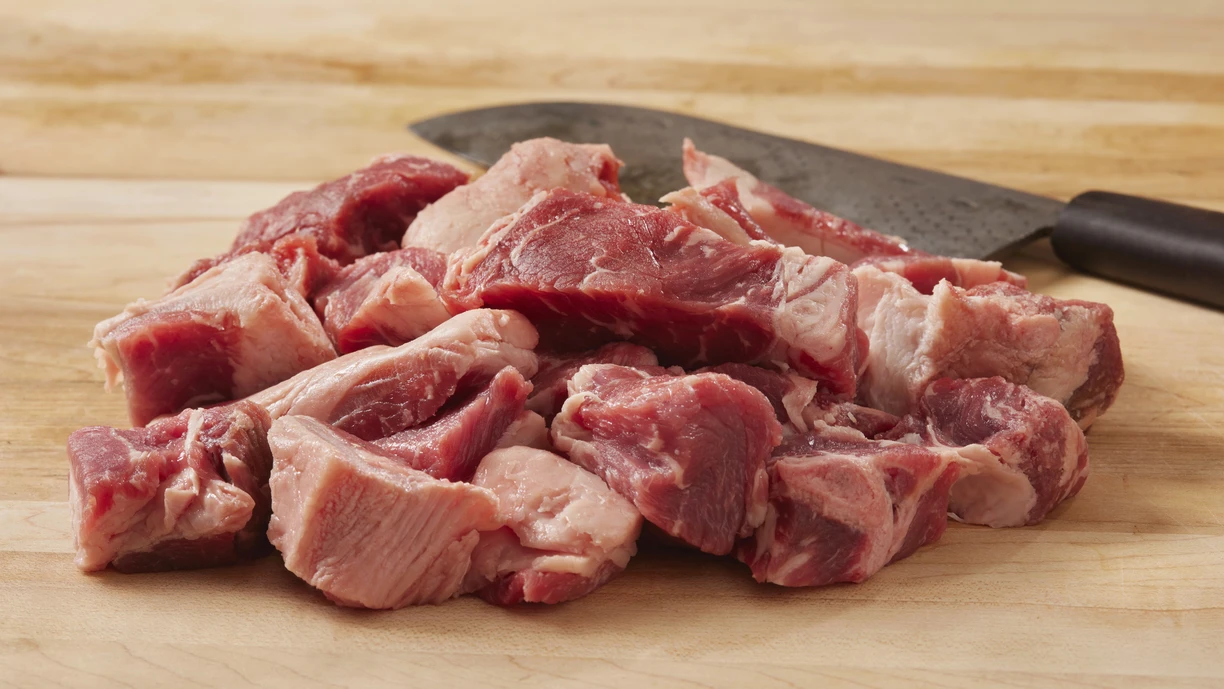
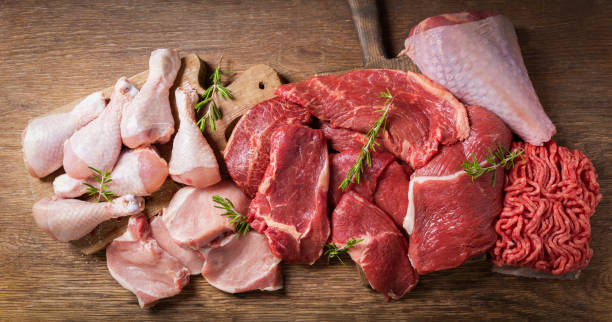
Meat Tenderization
Enzymes can support controlled protein breakdown to improve tenderness and texture in selected meat processing applications.
- Beef and red meat processing
- Poultry processing
- Processed meat products
Protein Hydrolysis
Proteolytic enzymes can help hydrolyze proteins into peptides and smaller protein fragments for functional and nutritional applications.
- Protein hydrolysates
- Peptide production
- Protein ingredient processing
Processed Meat & Protein Products
Enzyme solutions can support texture modification and processing performance in selected meat and protein-based formulations.
- Meat preparations
- Protein-based foods
- Specialized food formulations
What consumers need and want
Technical Advantages
Our cosmetic enzyme solutions are designed to deliver targeted enzymatic performance for effective and consistent personal care formulations.
| Parameter | Technical Advantage |
|---|---|
| High Enzymatic Activity | Provides effective and controlled enzymatic action for meat and protein processing applications. |
| Controlled Protein Hydrolysis | Supports targeted breakdown of proteins into smaller peptides and soluble protein components. |
| Improved Tenderization | Helps break down selected muscle proteins to support improved tenderness and desirable meat texture. |
| Enhanced Protein Processing | Supports efficient modification and hydrolysis of protein materials for selected food applications. |
| Improved Texture | Helps develop desirable texture, consistency, and mouthfeel in meat and protein-based products. |
| Process Optimization | Supports efficient enzymatic treatment and controlled processing during meat and protein production. |
| Application Flexibility | Suitable for meat tenderization, protein hydrolysis, processed meat, and selected protein-based food applications. |
| Consistent Product Quality | Helps maintain reliable enzymatic performance and consistent processing characteristics across production batches. |
What consumers need and want
Why choose Shriji Exbiz?
Our Application Laboratory ensures every formulation delivers reliable, quantifiable results — providing detergent manufacturers with solutions that consistently meet high-performance standards.
Advanced Enzyme Solutions for Consistent Industrial Performance
Industry-Focused Expertise for Diverse Application Requirements
Customized Enzyme Formulations for Specific Process Needs
Consistent Quality with International Standards
Sustainable Solutions for Efficient Industrial Processes
Reliable Technical Support and Global Supply Capabilities
Shriji Exbiz Pvt. Ltd.
Meat & Protein Processing Enzymes questions
1. What are meat and protein processing enzymes?
Meat and protein processing enzymes are specialized biocatalysts used to support protein hydrolysis, meat tenderization, texture modification, and other protein-processing applications.
2. How do enzymes help in meat tenderization?
Proteolytic enzymes help break down selected muscle proteins, which can support improved tenderness and a more desirable texture when used under controlled processing conditions.
3. What are the main applications of these enzymes?
They can be used for meat tenderization, protein hydrolysis, processed meat products, protein hydrolysates, and selected protein-based food formulations.
4. Can these enzymes be used for different types of meat?
Yes. Enzyme solutions can be selected according to the type of meat, raw material characteristics, processing conditions, and desired level of tenderization or protein modification.
5. Can enzyme solutions be customized for specific processing requirements?
Yes. Enzyme selection and application conditions can be optimized based on the raw material, processing method, target texture, required hydrolysis level, and desired product characteristics.
Explore further
Related industry solutions
Navigate adjacent application hubs with the same disciplined technical onboarding.
Textile Enzymes
Enhance fabric finishing, bio-polishing, desizing, and textile quality.
Leather Processing Enzymes
Enable efficient dehairing, bating, and cleaner leather processing.
Detergent Enzymes
Improve stain removal, cleaning performance, and detergent efficiency.