Introduction
The veterinary sector plays an important role in maintaining animal health, improving livestock productivity, and supporting sustainable animal nutrition. With the growing demand for high-quality animal products, feed manufacturers and animal nutrition specialists are continuously exploring innovative solutions to improve feed utilization and nutritional performance.
One such innovation is the use of multi-blend enzymes in the veterinary sector. These enzyme combinations are designed to support the breakdown of complex feed components into simpler substances that animals can utilize more efficiently. By combining different enzyme activities, multi-blend formulations can address a wider range of feed substrates than individual enzymes.
Animal feed ingredients often contain proteins, starches, fibres, fats, and other complex nutritional components. Their digestibility can vary depending on the animal species, feed composition, processing conditions, and nutritional requirements. Enzyme-based feed solutions offer an opportunity to optimize feed formulations by targeting specific components that may otherwise remain less accessible during digestion.
At Shriji Exbiz Pvt. Ltd., enzyme-based solutions are developed to support diverse industrial and animal nutrition applications. Understanding the functions of multi-blend enzymes can help feed manufacturers make informed decisions regarding their formulations.
What Are Multi-Blend Enzymes?
Multi-blend enzymes are combinations of two or more enzyme activities designed to act on different components of a feed formulation.
Unlike single-enzyme products, which generally target a specific substrate, multi-enzyme blends can provide broader substrate coverage. Depending on their composition, they may contain enzymes that act on proteins, carbohydrates, fibres, and other feed components.
These formulations are selected according to the intended animal species, feed ingredients, and processing requirements.
For example, a feed formulation containing substantial quantities of plant-based ingredients may benefit from enzyme activities that target specific fibre components, starches, or phytate-bound phosphorus.
The selection of suitable enzymes depends on several factors:
- Animal species and physiological requirements
- Type and composition of feed ingredients
- Nutritional objectives of the feed formulation
- Processing and storage conditions
- Enzyme activity and stability
- Compatibility with other feed additives
A properly designed enzyme blend can help address multiple nutritional challenges within a feed formulation.
Importance of Multi-Blend Enzymes in the Veterinary Sector
Animal nutrition is an important part of veterinary care and livestock management. Feed quality directly influences nutritional availability, animal performance, and the overall efficiency of production systems.
Multi-blend enzymes can contribute to modern animal nutrition in several ways.
1. Supporting Feed Digestibility
Animal feeds contain different nutrients in complex forms. Proteins, starches, and fibre components may require specific enzyme activities for effective breakdown.
Multi-blend enzymes combine complementary activities that target these feed components. This can support the digestion of selected nutritional substrates, depending on the formulation and animal species.
Improved digestibility may help animals access a greater proportion of nutrients present in their feed.
2. Improving Nutrient Utilization
Nutrient utilization depends on the availability of feed components during digestion.
Certain enzyme activities can help release nutrients from complex structures. For example, phytase can act on phytate, while protease supports protein breakdown.
The effectiveness of these enzymes depends on feed composition, enzyme activity, and digestive conditions.
3. Supporting Feed Formulation Efficiency
Feed manufacturers must balance nutritional requirements, ingredient availability, and production costs.
Multi-blend enzymes may provide formulation flexibility by targeting selected feed components that limit nutrient utilization.
The potential benefits should be evaluated through feed analysis, nutritional formulation, and appropriate performance testing.
4. Supporting Sustainable Animal Nutrition
Efficient nutrient utilization is an important consideration in sustainable animal production.
Certain feed enzyme applications can help reduce the amount of nutrients remaining undigested or unavailable in feed. For example, phytase may improve phosphorus availability from phytate-containing ingredients.
However, environmental benefits depend on the overall feed formulation, enzyme performance, and management practices.
Key Enzymes Used in Multi-Blend Formulations
Different enzymes perform different functions in animal feed. Their selection depends on the feed ingredients and the targeted nutritional requirements.
The following table provides an overview of commonly used enzyme activities.
| Enzyme | Primary Substrate | Function in Animal Feed |
|---|---|---|
| Protease | Proteins | Supports the breakdown of proteins into smaller peptides and amino acids |
| Amylase | Starch | Helps break down starch into simpler carbohydrates |
| Cellulase | Cellulose | Acts on cellulose components in plant-based feed |
| Xylanase | Arabinoxylans and xylan | Supports the breakdown of selected plant fibre components |
| Phytase | Phytate | Helps release phytate-bound phosphorus |
| Beta-Glucanase | Beta-glucans | Breaks down beta-glucan components in feed ingredients |
| Mannanase | Mannans | Acts on mannan-containing plant materials |
| Lipase | Fats and oils | Supports the breakdown of dietary lipids |
The presence of these enzymes in a formulation does not automatically guarantee improved performance. Their activity, stability, compatibility, and suitability for the feed matrix must be considered.
Applications of Multi-Blend Enzymes in the Veterinary Sector
Multi-blend enzyme formulations can be designed for different animal nutrition applications.
Poultry Nutrition
Poultry feed commonly includes ingredients such as maize, soybean meal, wheat, and other plant-based materials.
These ingredients may contain complex carbohydrates, proteins, and antinutritional components that influence nutrient availability.
Selected feed enzymes may support the digestion of these components.
For example:
- Protease may support protein digestion.
- Phytase may improve phosphorus availability.
- Xylanase may act on selected plant fibre components.
- Amylase may support starch digestion.
The combination of enzymes depends on the poultry species, feed ingredients, age, and nutritional objectives.
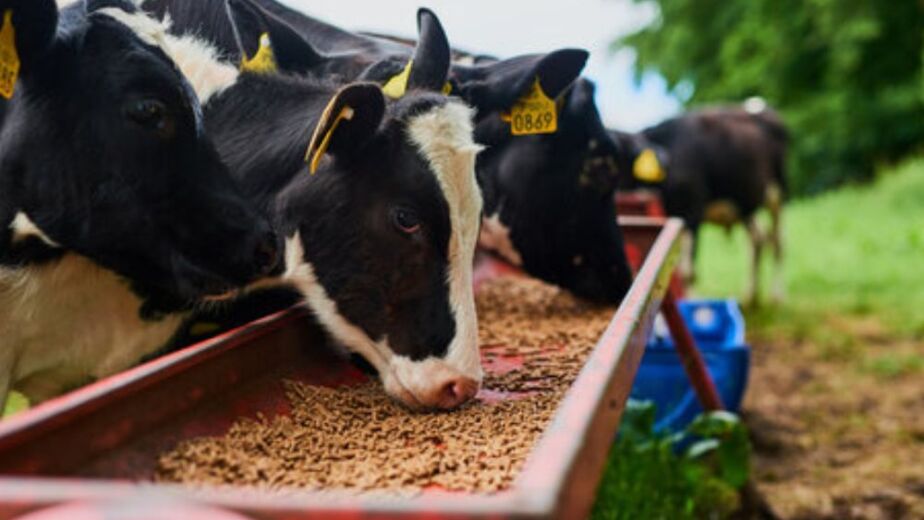
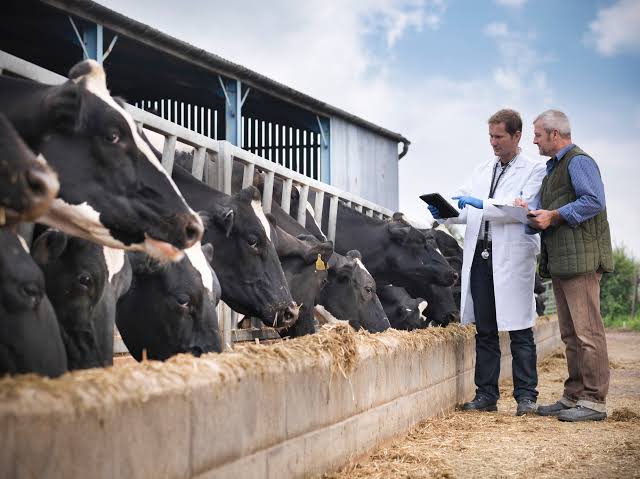
Livestock Nutrition
Livestock feed formulations vary significantly between cattle, sheep, goats, and other animals.
The digestive physiology of ruminants differs from that of monogastric animals. Therefore, enzyme selection and formulation strategies should be appropriate for the intended animal species.
Certain enzyme applications may target specific feed components to support their utilization.
Multi-blend enzymes can be considered as part of a broader animal nutrition strategy that includes feed quality, balanced nutrition, and veterinary guidance.
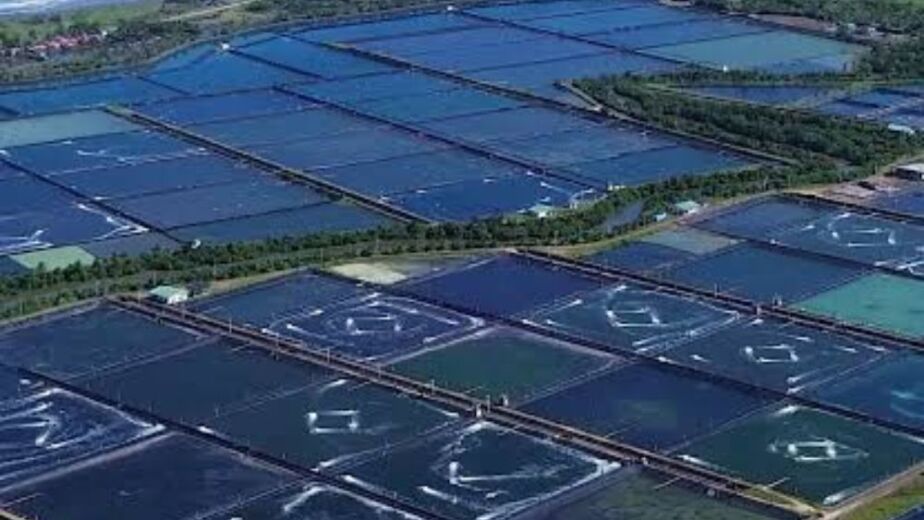
Aquaculture Nutrition
Aquaculture feed formulations may contain plant-based protein sources, fishmeal, oils, and other ingredients.
Digestibility and nutrient availability are important considerations in aquatic animal nutrition.
Selected enzyme activities may help address specific feed substrates, depending on the fish or shrimp species and the formulation.
Enzyme-based feed solutions should be evaluated for their suitability under the intended aquatic feed processing and feeding conditions.
Multi-Blend Enzymes vs. Single Enzyme Solutions
Feed manufacturers may choose between individual enzymes and multi-blend formulations depending on their nutritional objectives.
| Parameter | Single Enzyme Solution | Multi-Blend Enzyme Solution |
|---|---|---|
| Enzyme composition | Contains one primary enzyme activity | Contains multiple complementary enzyme activities |
| Target substrate | Focuses on a specific substrate | Targets several selected feed components |
| Application | Suitable for specific feed challenges | Suitable for broader feed formulation requirements |
| Formulation flexibility | Limited to its specific activity | Can be designed around multiple objectives |
| Selection process | Based on one targeted nutritional requirement | Based on feed composition and combined requirements |
| Evaluation | Assessed for its individual enzyme activity | Assessed for compatibility and combined performance |
Multi-blend enzymes are not always superior to single enzymes. A single enzyme may be more appropriate when a feed formulation has one clearly identified nutritional limitation.
The selection should be based on technical requirements rather than the number of enzyme activities in the product.
Factors to Consider When Selecting Veterinary Enzyme Blends
Choosing an appropriate multi-blend enzyme solution requires careful evaluation.
Feed Ingredient Composition
The feed ingredients determine which substrates are available for enzyme action. Plant-based feeds may contain different fibre fractions, starches, proteins, and phytate levels.
A feed analysis can help identify the components that may require targeted enzyme activities.
Animal Species
Different animal species have different digestive systems and nutritional requirements.
A formulation designed for poultry may not be directly suitable for cattle or aquaculture applications.
Enzyme Activity
Enzyme activity is an important parameter when evaluating an enzyme product. The activity specification should correspond to the intended application and technical requirements.
Processing Conditions
Feed processing may involve pelleting, heating, drying, and storage.
These conditions can influence enzyme stability and performance. Heat stability and processing compatibility should therefore be considered during formulation development.
Technical Support
Feed manufacturers may require assistance with product selection, activity specifications, compatibility, and formulation optimization.
Technical consultation can help identify an appropriate enzyme combination for the intended application.
How Multi-Blend Enzymes Support Modern Animal Nutrition
The development of animal feed formulations requires a detailed understanding of feed ingredients and nutritional requirements.
Multi-blend enzyme technology offers a flexible approach to addressing selected feed components through complementary enzyme activities.
Its potential role in modern animal nutrition includes:
- Supporting the digestion of selected feed substrates
- Improving the availability of certain nutrients
- Addressing specific feed ingredient challenges
- Providing formulation flexibility
- Supporting efficient feed utilization
- Contributing to feed formulation optimization
These outcomes depend on the enzyme formulation, animal species, feed matrix, and application conditions. Appropriate testing and technical evaluation remain important for determining actual performance.
Why Choose Shriji Exbiz for Enzyme Solutions?
Shriji Exbiz Pvt. Ltd. is an enzyme manufacturer and exporter based in Anand, Gujarat, India, offering enzyme solutions for different industrial applications, including animal feed.
The company focuses on enzyme solutions designed to meet industry-specific requirements.
When evaluating enzyme products for the veterinary sector, feed manufacturers can consider the following factors:
- Application-specific enzyme selection
- Suitable enzyme activity specifications
- Feed ingredient compatibility
- Product quality and consistency
- Technical guidance for application requirements
- Customized enzyme formulation possibilities
Shriji Exbiz offers animal feed enzyme products, including protease, cellulase, beta-glucanase, mannanase, xylanase, and phytase.
For feed manufacturers, selecting the right enzyme combination is an important step toward developing suitable animal nutrition formulations.
Future of Multi-Blend Enzymes in the Veterinary Sector
The animal nutrition industry continues to evolve with increasing attention to feed efficiency, ingredient optimization, and sustainable production practices.
Multi-blend enzyme technology is an important area of development because it allows complementary enzyme activities to be combined according to specific feed requirements.
Future applications may focus on more precise enzyme selection, improved stability during feed processing, and formulations designed for specific animal species and feed ingredients.
Advancements in biotechnology and enzyme research may also support the development of more application-specific solutions.
As the veterinary and animal nutrition sectors continue to develop, enzyme-based feed solutions may play a valuable role in improving the efficiency of selected feed formulations.
Conclusion
Multi-blend enzymes represent an important technological approach in the veterinary and animal nutrition sectors. By combining complementary enzyme activities, these formulations can target different feed components and support the utilization of selected nutrients.
Their application in poultry, livestock, and aquaculture nutrition depends on feed composition, animal physiology, enzyme activity, and processing conditions. https://www.indiamart.com/
For feed manufacturers, understanding the function of individual enzymes and selecting suitable combinations can help support effective feed formulation strategies.
Shriji Exbiz Pvt. Ltd. provides enzyme solutions for animal feed applications, supporting manufacturers in exploring suitable enzyme technologies for their nutritional and processing requirements.
Explore enzyme-based solutions for the veterinary sector with Shriji Exbiz Pvt. Ltd. and develop feed formulations with application-specific enzyme technology.
Frequently Asked Questions
What are multi-blend enzymes in the veterinary sector?
Multi-blend enzymes are combinations of different enzyme activities used in animal feed formulations to target proteins, carbohydrates, fibres, and other feed components.
What is the purpose of multi-blend enzymes in animal feed?
They are designed to support the breakdown of selected feed substrates and improve the availability of certain nutrients, depending on the formulation and animal species.
Which enzymes are commonly used in animal feed?
Common enzyme activities include protease, amylase, cellulase, xylanase, phytase, beta-glucanase, and mannanase.
Are multi-blend enzymes suitable for all animal species?
No. Enzyme formulations should be selected according to the animal species, feed composition, and nutritional requirements.
Where can manufacturers find animal feed enzyme solutions?
Manufacturers can explore animal feed enzyme solutions from Shriji Exbiz Pvt. Ltd. and consult its technical team regarding product specifications and application requirements.